
Agricultural Equipment
Choose the Right OEM Partner for Agricultural Waste Treatment Equipment Manufacturing
Agricultural waste management is not simply a compliance obligation. For livestock farms, aquaculture operations, and food processing facilities, effective waste treatment equipment directly affects farm efficiency, biosecurity, odor control, nutrient recovery, water reuse, and sustainable operation. Getting the equipment wrong or the manufacturing partner wrong creates cascading problems across every one of those dimensions.
In the B2B manufacturing context, OEM (Original Equipment Manufacturing) means a partner produces equipment to your technical specifications, under structured quality and compliance systems. Choosing the right OEM partners for waste treatment equipment manufacture in agriculture requires understanding the equipment types involved and how production processes should be structured to deliver reliable, market-ready equipment at scale
Understanding The Agricultural Waste Treatment Equipment
Waste treatment equipment, particularly industrial waste treatment equipment, is used to treat, remediate, and process effluent, wastewater, and solid byproducts generated across agricultural operations. These systems handle materials carrying mixtures of dissolved solids and suspended sediment, disinfect and eliminate pathogens and convert waste streams into manageable or reusable outputs.
Waste in agriculture appears as solids, liquids, or gases. These mainly originate from livestock and poultry farms, farmland drainage, aquaculture operations and primary agricultural product processing facilities
A capable waste treatment equipment manufacturer focuses on turning these challenging streams into manageable outputs that support farm productivity. Each system is engineered, and an OEM waste treatment equipment partner can customize the solution to match your operational environment, regulatory context and production scale.
For OEM buyers, understanding these functions is essential because each waste stream requires different engineering specifications, material choices and treatment technologies.
Types of Agricultural Waste Treatment Equipment
Agricultural waste streams vary widely in composition and volume, which requires different treatment approaches depending on the specific application.
Type 1: Solid–Liquid Separation Equipment
Solid–liquid separation systems mechanically divide the solid and liquid fractions of agricultural effluent. These typically use screw press separators, belt filter presses, or drum screens.
Separating these fractions at the source reduces the load on downstream treatment systems and improves overall process efficiency. Solid output can be composted or repurposed as fertilizer. Liquid output can be further treated or discharged. Properly specified separation equipment improves process efficiency, reduces treatment chemical costs, and enhances the quality of recovered materials for secondary use.
Type 2: Composting Machines
Composting systems accelerate the aerobic decomposition of organic waste, including manure, crop residues, and processing byproducts, into stable, nutrient-rich compost. The output replaces synthetic fertilizer inputs and diverts organic material from landfill disposal.
For farms handling large volumes of solid organic waste, industrial composting systems transform waste into reusable fertilizer products while reducing disposal costs and environmental impact.
Type 3: Wastewater Treatment Systems
Wastewater treatment systems clean and condition effluent from livestock operations, processing facilities and aquaculture systems to a standard suitable for irrigation reuse or compliant discharge. These systems typically combine physical filtration, biological treatment and chemical or UV disinfection stages.
Properly designed systems help facilities meet or exceed discharge limits, avoiding regulatory fines and reputational exposure. They also eliminate the cost of hauling untreated wastewater to off-site treatment facilities, reducing transportation and disposal fees significantly.
Type 4: Sludge Treatment & Dewatering Equipment
Sludge treatment equipment reduces the volume of residual sludge generated by up to 90%. This volume reduction directly lowers transportation, storage and disposal costs. Dewatered sludge cake is easier to handle, transport and repurpose as a soil amendment or compost feedstock. Lower sludge volumes also reduce the operating load on the wider treatment plant, improving overall system efficiency.
What Does An OEM Waste Treatment Equipment Manufacturer Do?
The Role of OEM Manufacturers in Waste Treatment Equipment
A qualified waste treatment equipment manufacturer focuses on manufacturing accountability rather than end-user marketing or sales. The following core responsibilities help B2B buyers understand what they should expect from a genuine OEM partner.
- Product Research & Development
OEM manufacturers research the market and meet customer requirements through integrated engineering, design optimization, and production planning. They analyze operational requirements, processing capacity, and industry demands to develop efficient equipment configurations for different applications. With capabilities in tooling development and large-scale manufacturing, OEM manufacturers improve product durability, production consistency, and cost efficiency while maintaining strict quality control s
- Adapt The Weather And Operation Standards
The equipment is engineered by OEM manufacturers to comply with environmental and operational standards, ensuring reliable performance in demanding conditions. OEM manufacturers apply corrosion-resistant materials, industrial coatings, reinforced structures, and protective sealing systems to improve durability against moisture, dust, chemicals, and outdoor exposure, ensuring long-term stability and reduced maintenance risks.
- Certification And Safety Compliance
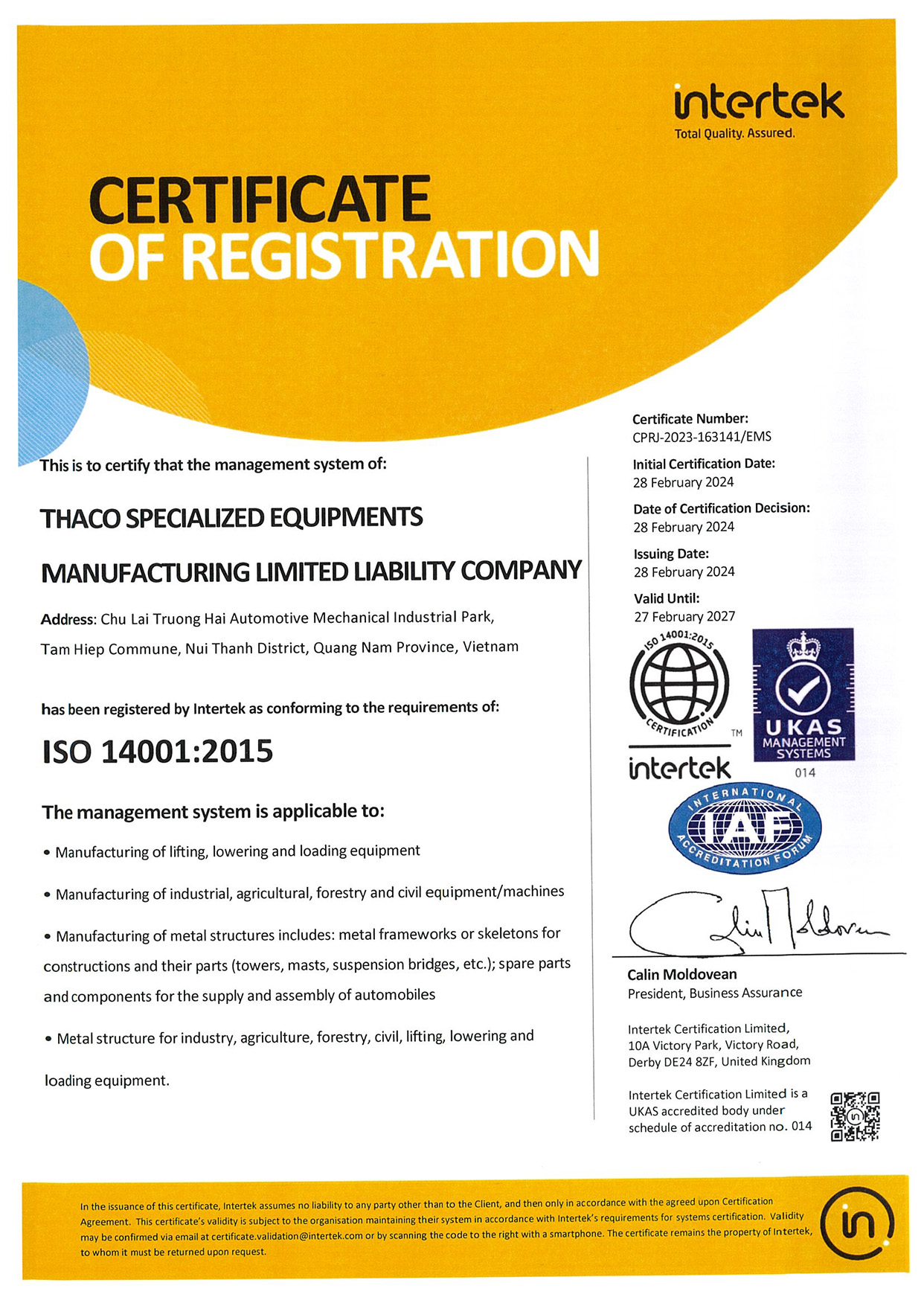
ISO 14001:2015 governs environmental management, covering emissions control, industrial waste management, energy and resource efficiency, and regulatory environmental compliance across production.
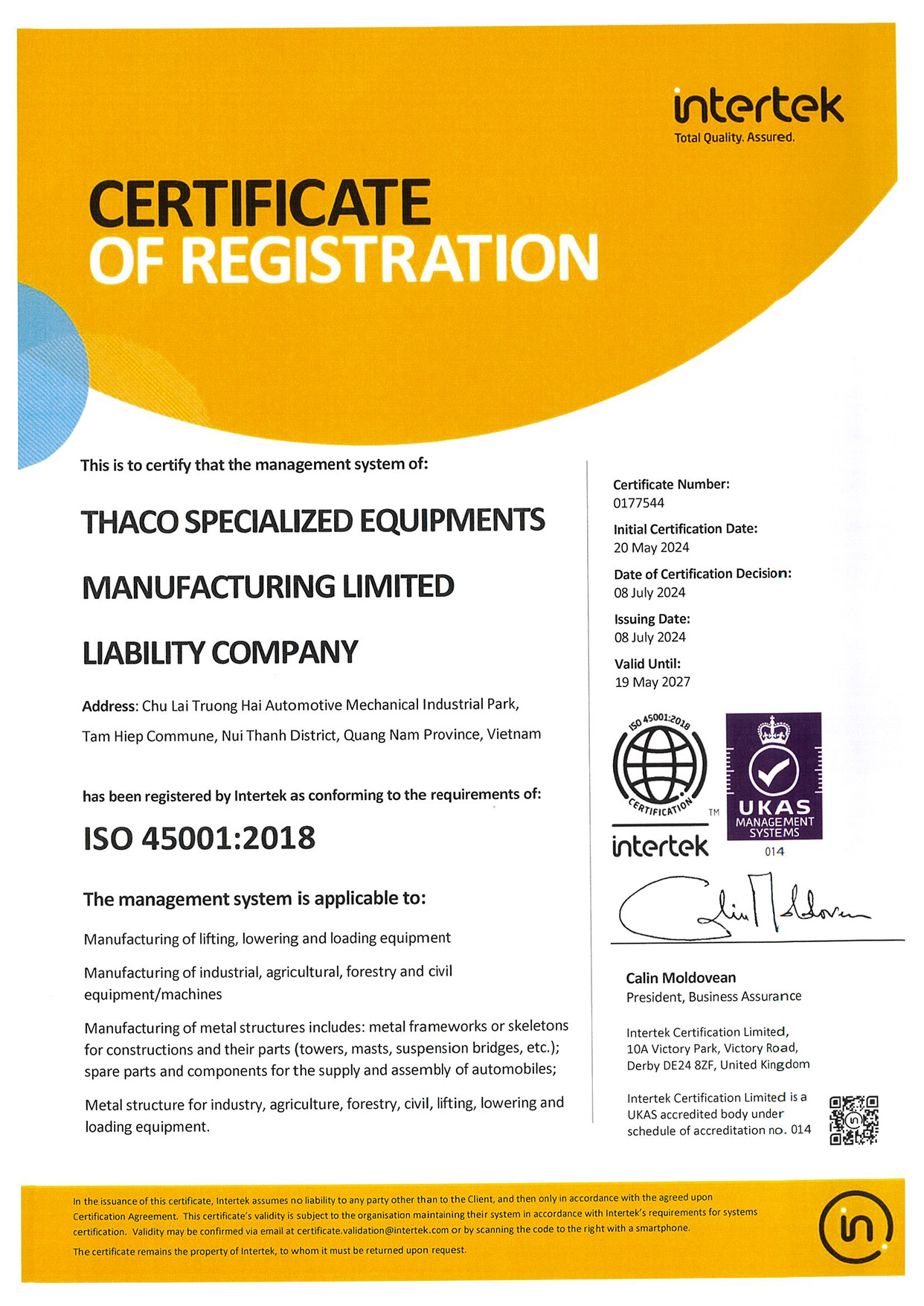
ISO 45001:2018 addresses occupational health and safety, establishing systematic risk identification in the workplace, preventive safety controls and training programs, continuous improvement in labor protection, and reduced accident rates to prevent production disruptions.
For B2B enterprises, working with OEM manufacturers ensures compliance with standards like ISO, CE, RoHS, and REACH to improve regulatory compliance, accelerate production timelines, and provide access to advanced engineering expertise and control manufacturing processes.
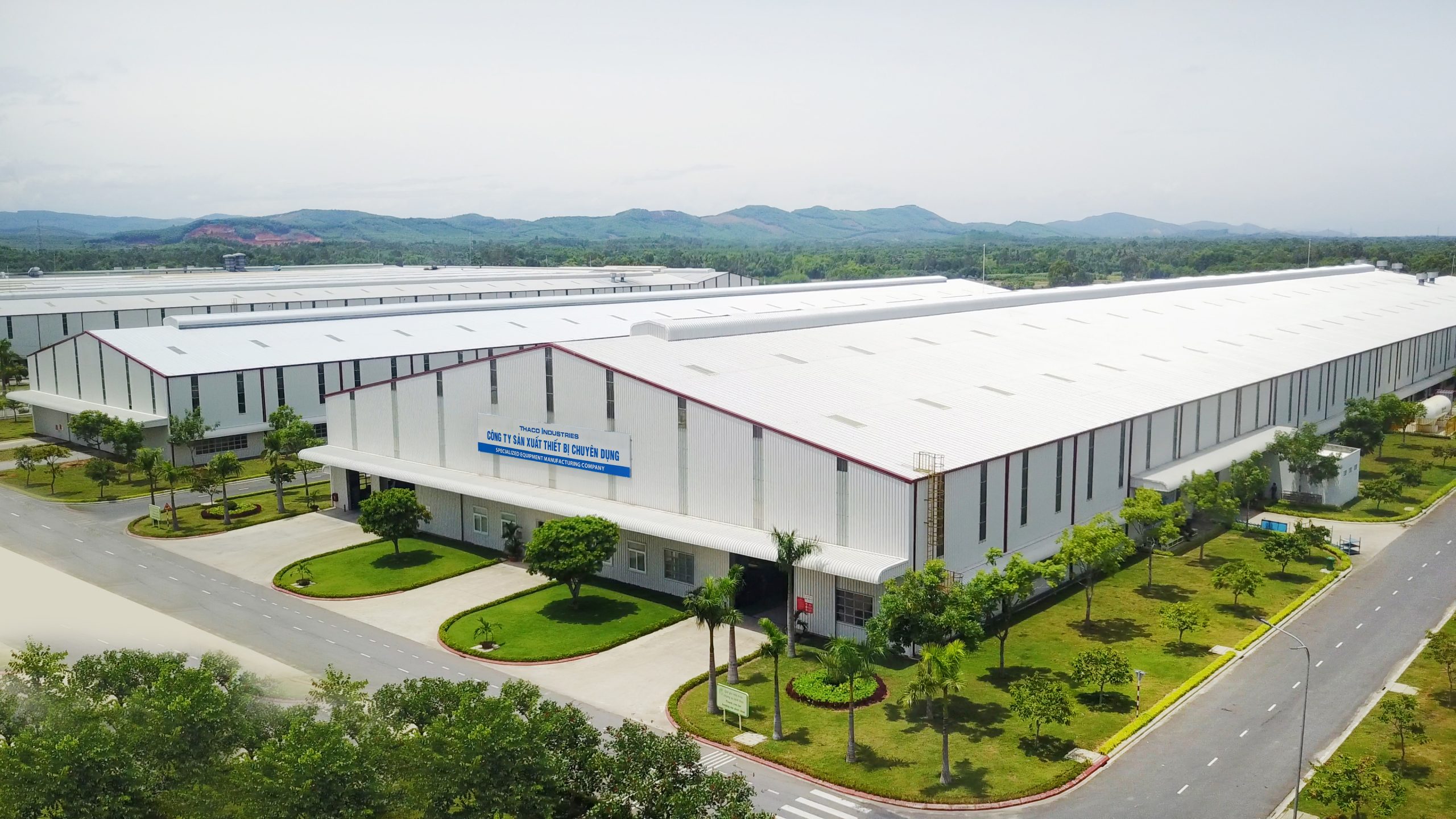
THACO INDUSTRIES as an OEM manufacturers, guarantees product quality and durability through rigorous in-process controls, and it complies with strict international standards to meet the expectations of global B2B buyers. As a dedicated provider of machinery, equipment, and complete production lines for agriculture, Specialized Equipment Company, as a member of THACO INDUSTRIES, ensures structural fabrication, assembly, product testing, and final quality inspections for reliable performance, operational stability, and long-term durability for agricultural equipment.
Why End-to-End Supply Chain Capability Matters
ODM manufacturing:
- ODM manufacturing extends beyond production to include industrial design, mechanical engineering, electronics development, assembly optimization, and comprehensive testing protocols.
- It also incorporates component substitution recommendations and cost-reduction strategies that help clients lower expenses while maintaining full performance standards.
OEM manufacturing:
- OEM manufacturing allows clients to retain full ownership of their product designs, engineering documentation, and intellectual property rights throughout the entire partnership.
- The manufacturer, in turn, specializes in precision processing, advanced materials handling, and efficient high-volume production techniques to execute those designs faithfully.
End-to-End supply chain:
- End-to-end supply chain capability brings procurement, planning, production, logistics, and fulfillment into one synchronized system built for speed, transparency, and control.
- This integrated model determines whether an OEM partner can deliver consistently at volume, maintain visibility across the production lifecycle, and manage post-sale service commitments effectively.
Industrial waste treatment systems OEM partnerships benefit greatly from this model, as it minimizes risks in complex agricultural applications. OEM environmental equipment manufacturing with full supply chain visibility helps B2B clients achieve scalable, cost-effective solutions tailored to their exact requirements. Long-term OEM/ODM support from THACO INDUSTRIES strengthens this advantage through its integrated ecosystem.
Standardized Manufacturing Process for Agricultural Waste Treatment Equipment
THACO INDUSTRIES operates an all-in-one value chain that covers customized agricultural equipment from concept to delivery. This includes an integrated R&D center, advanced processing, welding, painting, and assembly capabilities.
Step 1: Market Research & Product Definition
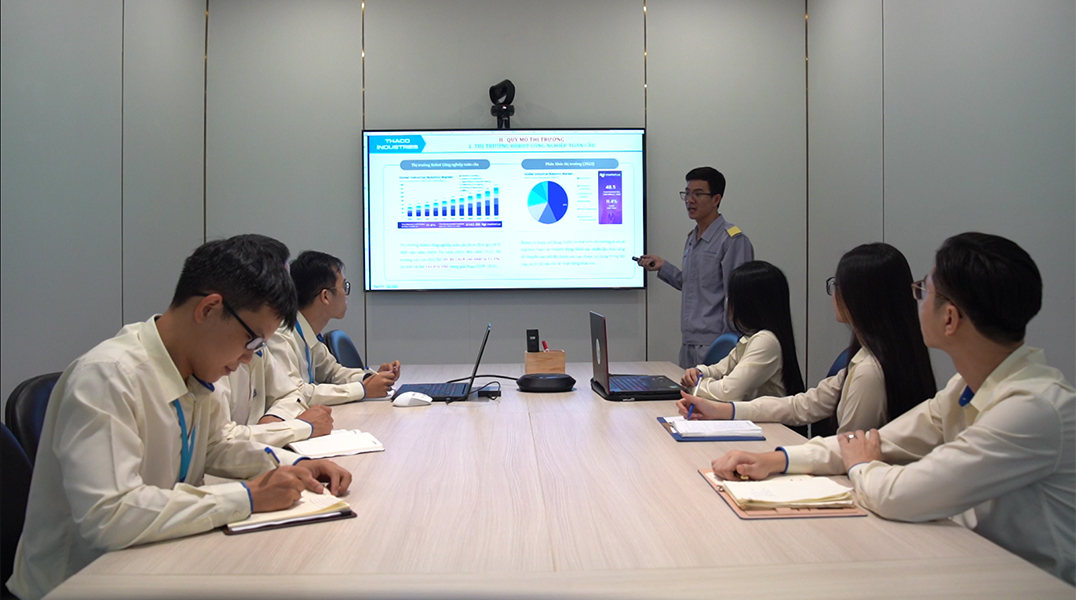
OEM/ODM specifications based on customer requirements, application conditions and performance targets. Engineering teams validate concepts through testing protocols and technical analysis to ensure feasibility and compliance. This step ensures each solution is customized to your operational needs while aligning with environmental regulations and lifecycle cost optimization. Beyond product functions, OEMs and Tier-1 manufacturers should also ensure regulatory environmental compliance and reduce their environmental footprint across production, from emissions control to resource efficiency.
Step 2: Engineering Design
R&D develops detailed 2D/3D models using advanced CAD software (NX, Catia, HyperWorks). Structural strength, durability, and manufacturability are optimized from the design phase. Engineers also issue ES/MS technical standards to define material specifications, tolerances, and quality control criteria for each component. Design outputs follow strict technical standards, ensuring compatibility with downstream manufacturing and minimizing rework during production.
Step 3: Material Planning
Steel, non-ferrous metals, plastics, and standard components are specified and sourced with traceability documentation. Material selection is optimized for the performance requirements and cost targets of each customized agricultural equipment program.
Step 4: Billet/Workpiece Processing
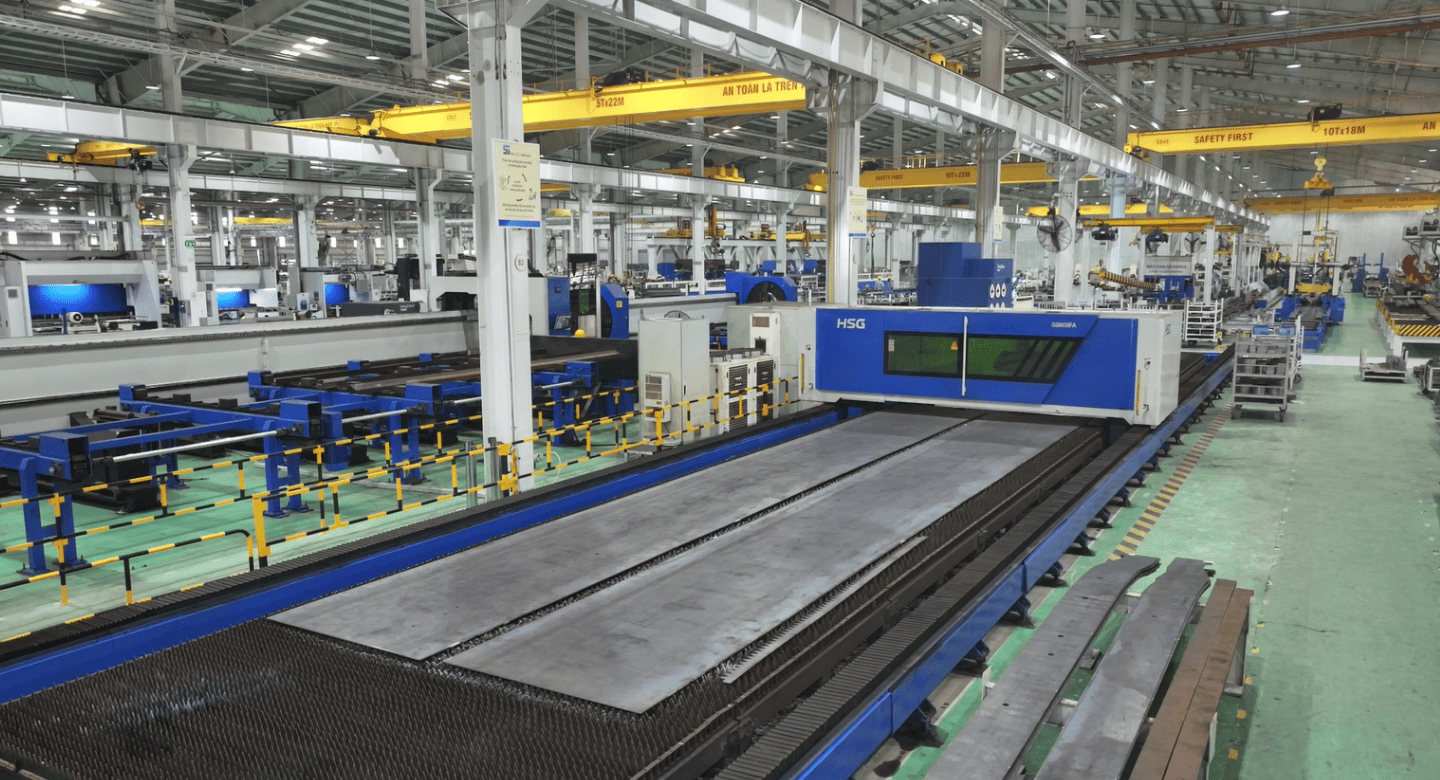
Fiber laser cutting, CNC plasma cutting, and oxy-gas cutting systems form base frames, structural components, and equipment parts. Advanced cutting technology at the Mechanical Center ensures dimensional accuracy from the first production stage.
Step 5: Precision Machining
We use CNC milling, turning, drilling, and grinding to shape metal parts. These machines remove material with high accuracy. As a result, we achieve the exact dimensions and tolerances shown in the technical drawings. This precision applies to every agricultural component, module, and mounting structure. Proper tolerances ensure parts fit together correctly during final assembly.
Step 6: Welding
Manual and robotic welding lines are applied depending on joint specification and structural requirements. Consistent weld strength and precision are maintained across heavy steel structures and complex mechanical assemblies. THACO INDUSTRIES ensures repeatability and consistency across batches, which are critical for large-scale OEM production.
Step 7: Surface Treatment & Painting
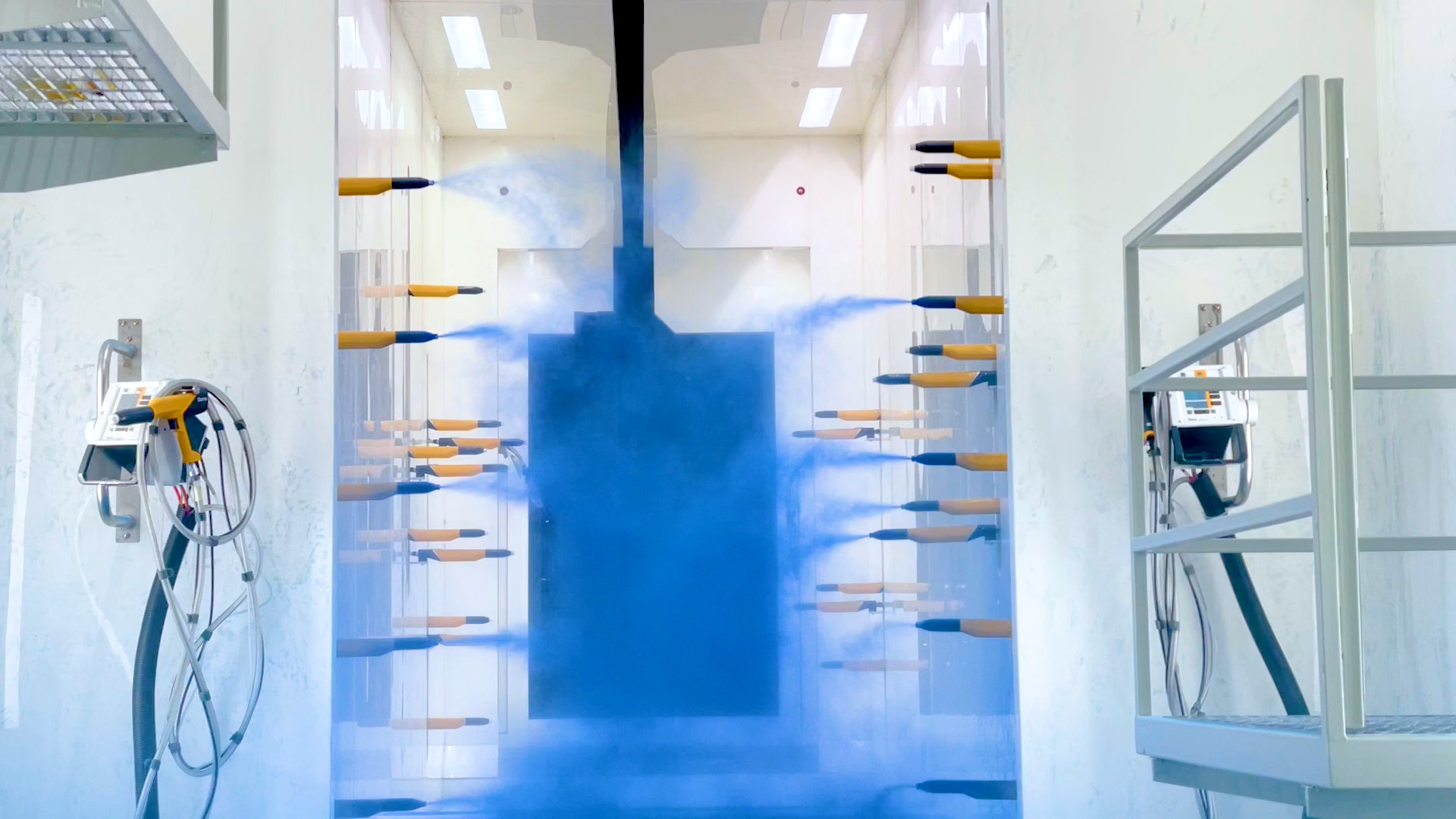
Shot blasting, anti-corrosion treatment, electrophoretic (ED) coating, and powder coating are applied sequentially. This process ensures long-term durability in humid, outdoor, and chemically exposed agricultural environments.
Step 8: Assembly
Mechanical structures are integrated with drive systems, hydraulics, pneumatics and electrical or control systems. Assembly is customized to OEM/ODM specifications across cultivation, processing, livestock, and waste treatment applications.
Step 9: Quality Control
Dimensional checks, functional testing, and performance validation are conducted in compliance with ISO 9001:2015, ISO 14001:2015, EN 1090, and ISO 3834. This guarantees that each product meets international quality and safety standards before delivery.
Step 10: Packaging & Delivery
An effective logistics system integrates multiple service types to move products from the factory to the destination. These include trucking, shipping, port handling, bonded warehouses, standard warehouses, and cold storage. Each service plays a specific role: trucking handles overland transport, shipping moves goods across oceans, ports manage loading and unloading, and warehouses provide storage with or without temperature control.
Understanding this integration helps you evaluate whether a supplier can deliver reliably. THACO INDUSTRIES applies this integrated logistics model to ensure timely global delivery while optimizing cost and lead time for international OEM customers.
Why Partner With THACO INDUSTRIES for Waste Treatment Equipment Manufacturing?
Waste processing equipment manufacturing demands a partner with proven industrial depth, rigorous quality systems, and the logistics capability to serve international buyers reliably. THACO INDUSTRIES delivers all three within a single integrated manufacturing ecosystem.
Advanced Manufacturing And Quality Assurance Systems
THACO INDUSTRIES applies advanced manufacturing technologies, integrated automation into the production systems, ending with multi-stage inspection processes to ensure high-precision fabrication, stable performance, and export-quality products for equipment.
To ensure component reliability, THACO INDUSTRIES applies precision quality testing equipment across every production stage through these machines:
- Universal testing machines measure tensile strength and compression performance. These tests confirm that each part meets the required strength and durability standards in manufacturing.
- Hardness testing machines (Rockwell, Brinell, Vickers) verify surface strength and consistency in metals and treated components. This ensures that materials can withstand operational wear over time.
- Coordinate measuring machines (CMM) support high-accuracy quality control. These devices ensure that every component meets the exact specifications defined in technical drawings.
- Optical emission spectrometers verify material grade accuracy. This technology helps maintain consistent chemical composition across all production runs.
Assembly operations span 100+ product types, demonstrating genuine flexibility in handling diverse agricultural equipment requirements within a single manufacturing environment. Every plant undergoes strict inspections across design, material selection, production, and final product stages, conducted by dedicated QA and QC departments. This structure reflects the corporation’s commitment to completing the all-in-one value chain and enhancing competitive capacity in the digital era and the 4.0 industrial revolution.
Standards & Certifications
Reliable custom waste treatment equipment and waste treatment equipment manufacturer partners maintain high certifications, including:
- ISO 14001:2015 – Environmental Management System
- ISO 45001:2018 – Occupational Health & Safety Management System
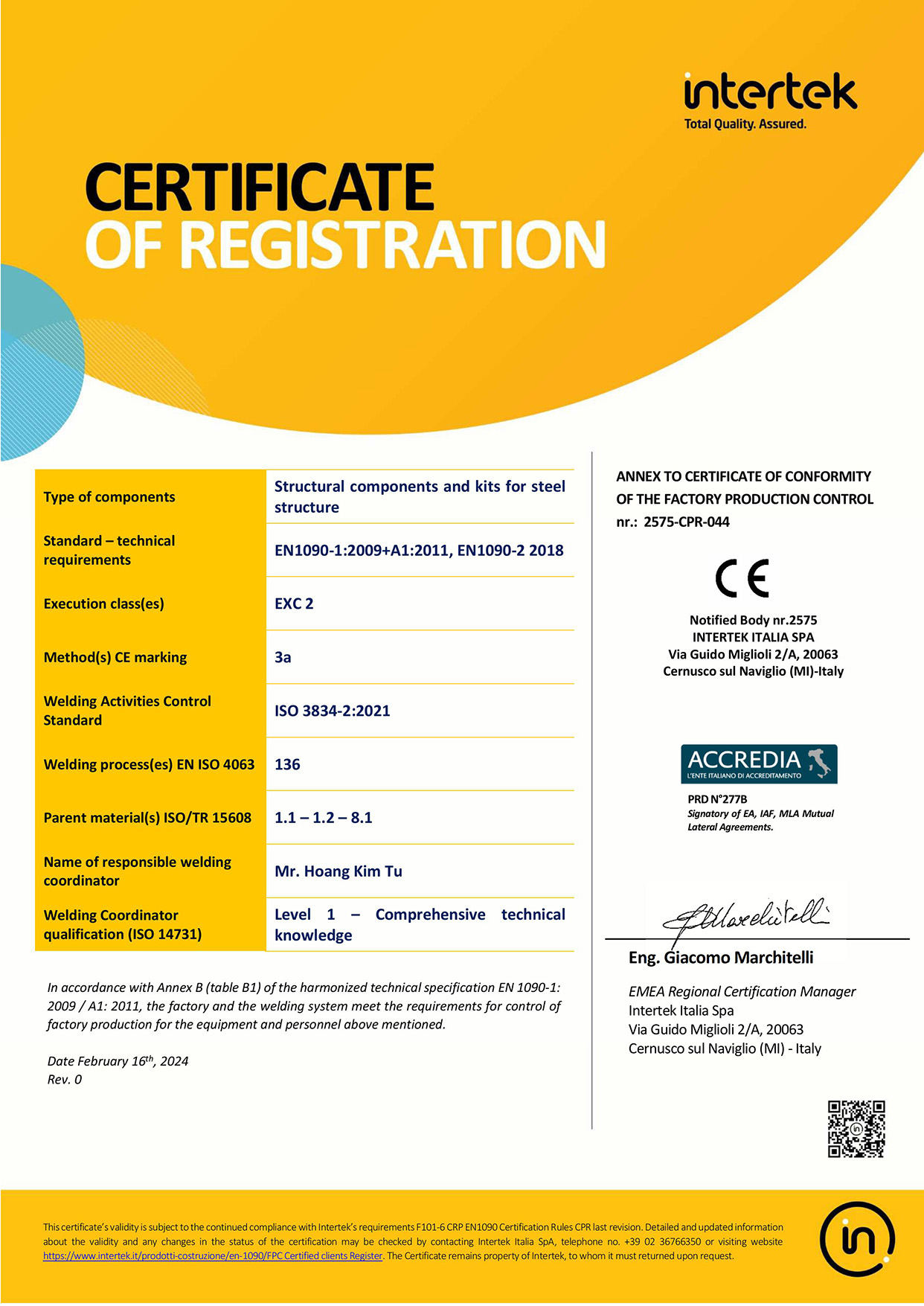
- ISO 3834-2:2021 and ISO 3834-3:2021 – Welding Quality Management Systems
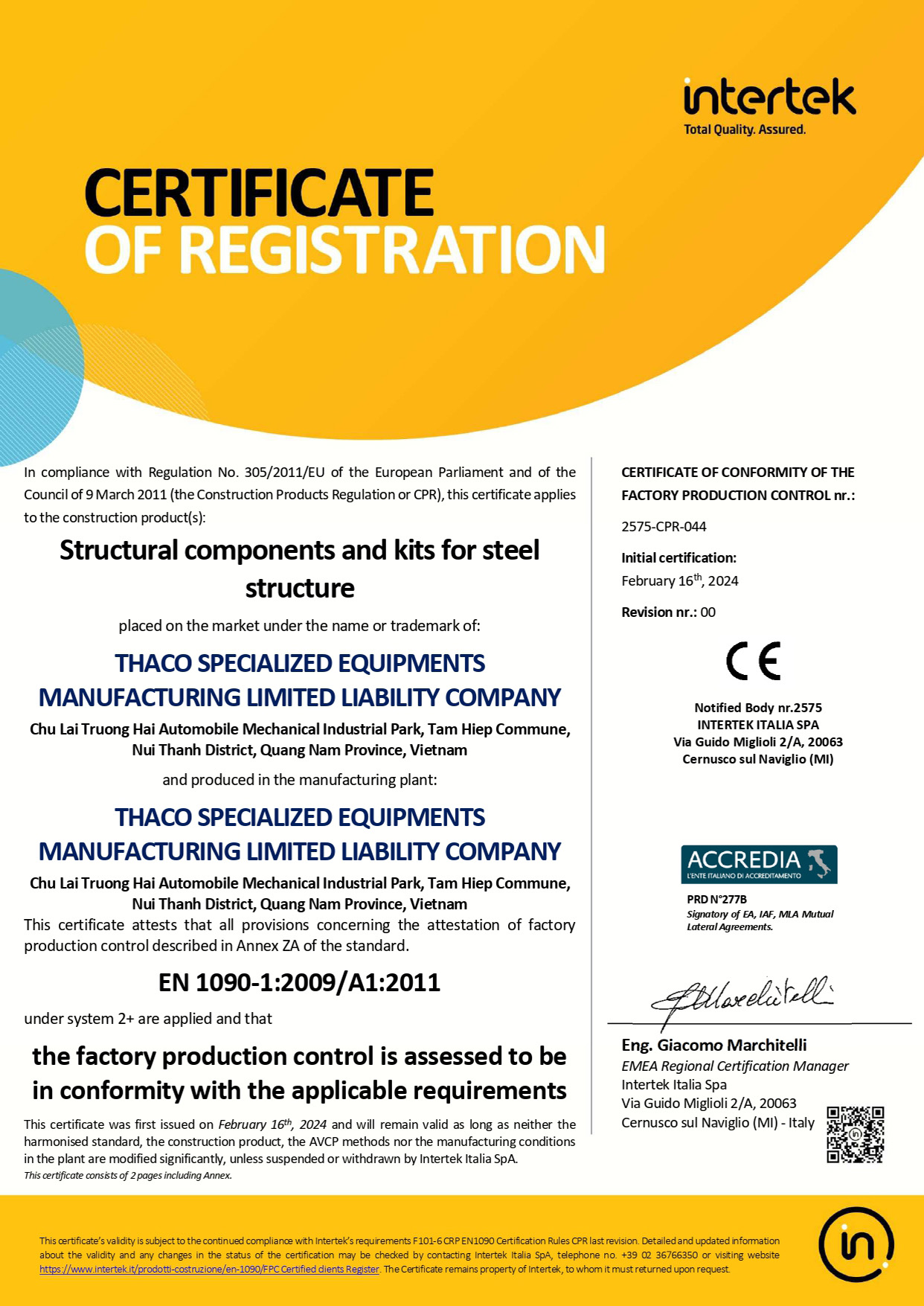
- EN 1090-1 – Certificate of Conformity of Factory Production Control
These certifications confirm that production processes, environmental controls, and structural fabrication practices meet the standards required for agricultural and industrial equipment export to regulated markets.
 |
 |
 |
 |
Extensive OEM & B2B Export Expertise
THACO INDUSTRIES has established OEM supply partnerships across the United States, Australia, the European Union, the Philippines, and South Korea… This demonstrates the export documentation capability, logistics infrastructure, and product compliance experience required for global distribution.
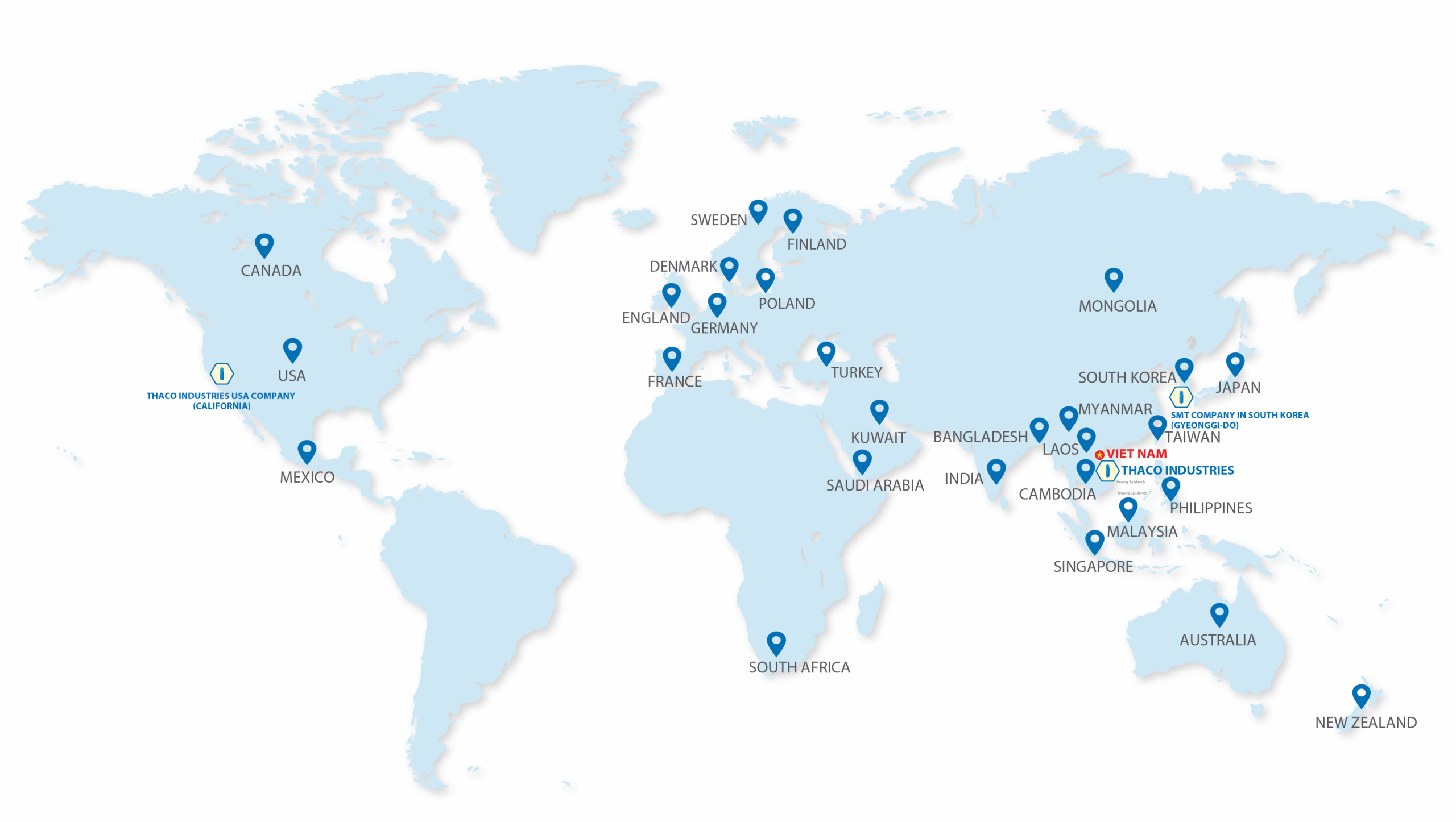
We offer flexible and scalable OEM solutions that adapt to your volume and specification requirements. Our R&D center allows you to customize technical specifications and develop new products tailored to your market needs.
The company follows standard Incoterms to clearly define delivery responsibilities and risk allocation, giving international B2B partners confidence in smooth transactions, such as:
- EXW (Ex Works): Delivery at the factory
- FCA (Free Carrier): Delivery to the carrier
- CIP (Carriage and Insurance Paid To): Carriage and insurance paid to
- DPU (Delivered At Place Unloaded): Delivery at the destination unloading point
- CIF (Cost, Insurance, and Freight): Cost of goods, insurance, and freight
- FOB (Free On Board): Delivery onto the ship
For businesses seeking a custom waste treatment system manufacturer or sludge treatment equipment manufacturer with end-to-end capabilities, THACO INDUSTRIES offers engineering depth, production reliability, and long-term partnership potential. Its focus on precision, compliance, and agricultural applications makes it a strategic choice for forward-looking waste treatment equipment projects.
Ready to discuss your waste treatment equipment requirements? Reach out to our team at partsales@thaco.com.vn or (+84) 389 067 557 (Ms. Linh).


