
Automotive Components
Automotive Seat Manufacturing Process: A Step-by-Step Guide
In automotive manufacturing, seat systems go through a tightly controlled production process before they reach the vehicle assembly line. A complete automotive seat must meet demanding requirements for structural strength, comfort, safety, durability, and interior quality. From frame fabrication to upholstery finishing and final performance testing, every stage must align with vehicle platform specifications and OEM quality standards.
What Are The Key Components of An Automotive Seat Manufacturing Process
An automotive seat is a vehicle component designed to provide support, comfort, safety, and adjustability for the driver or passengers.
An automotive seat system is built from several core component groups, which also reflect the stages in the seat manufacturing process:
1. Seat Frame (Structure)
The seat frame is the foundational structure of an automotive seat, acting as the backbone that supports the entire assembly. It is typically made of steel or aluminum to ensure strength, durability, and stability during use. This component is responsible for bearing the passenger’s weight while also providing mounting points for the foam padding, adjustment mechanisms, and upholstery. In terms of construction, the seat frame generally includes the seat pan, side frames, and cross members.
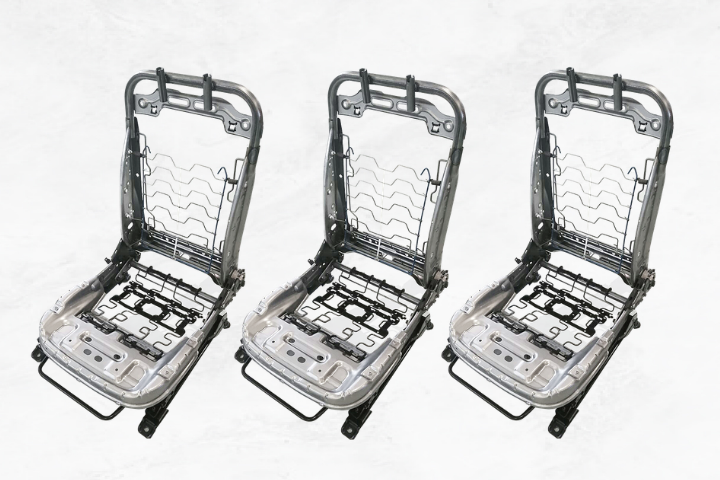
2. Adjustment Mechanisms
Adjustment mechanisms allow the seat to move and adapt to different driving positions, improving both comfort and ergonomics for the driver or passenger. These mechanisms include components such as seat tracks, recliner systems, height adjusters, and lumbar support devices. Depending on the vehicle model and trim level, these systems may operate manually or electrically, offering varying levels of convenience and customization.
3. Seat Padding
Seat padding is usually made from polyurethane (PU) foam or similar cushioning materials, designed to provide comfort and physical support for the occupant. It forms both the seat cushion and the backrest, and is often shaped according to ergonomic principles to better support areas such as the lower back, thighs, and hips. In many cases, the foam density varies across different sections of the seat to improve lumbar support and enhance long-term seating comfort.
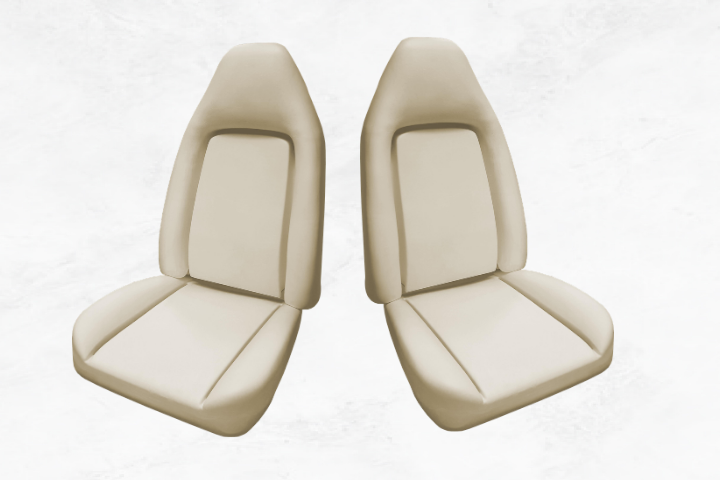
4. Trim Covers (Upholstery)
Trim covers, or upholstery, form the outermost layer of the seat and are commonly made from fabric, natural leather, or synthetic materials. This layer contributes significantly to the visual appeal of the vehicle interior while also protecting the internal components of the seat from wear, dirt, and daily use. In addition, trim covers may feature decorative stitching, textures, or patterns that enhance the style and perceived quality of the cabin.
5. Integrated Systems
In modern vehicles, automotive seats often incorporate a range of integrated electronic and safety systems that improve both comfort and occupant protection. These may include seat heating and ventilation functions, side airbags, occupancy sensors, and electric adjustment motors. With these advanced features, the seat serves not only as a place to sit, but also as an important element in enhancing the driving experience and overall vehicle safety.
Once you understand these key components, it becomes easier to see how they come together during production. Let’s explore how the actual automotive seat system works right below!
How An Automotive Seat System Is Built: Key Components & Stages
Automotive seats may seem simple, but their production is a highly engineered process. OEM manufacturers approach it with precision, safety, and quality at every stage – from raw material to finished seat – ensuring every component meets strict automotive standards.
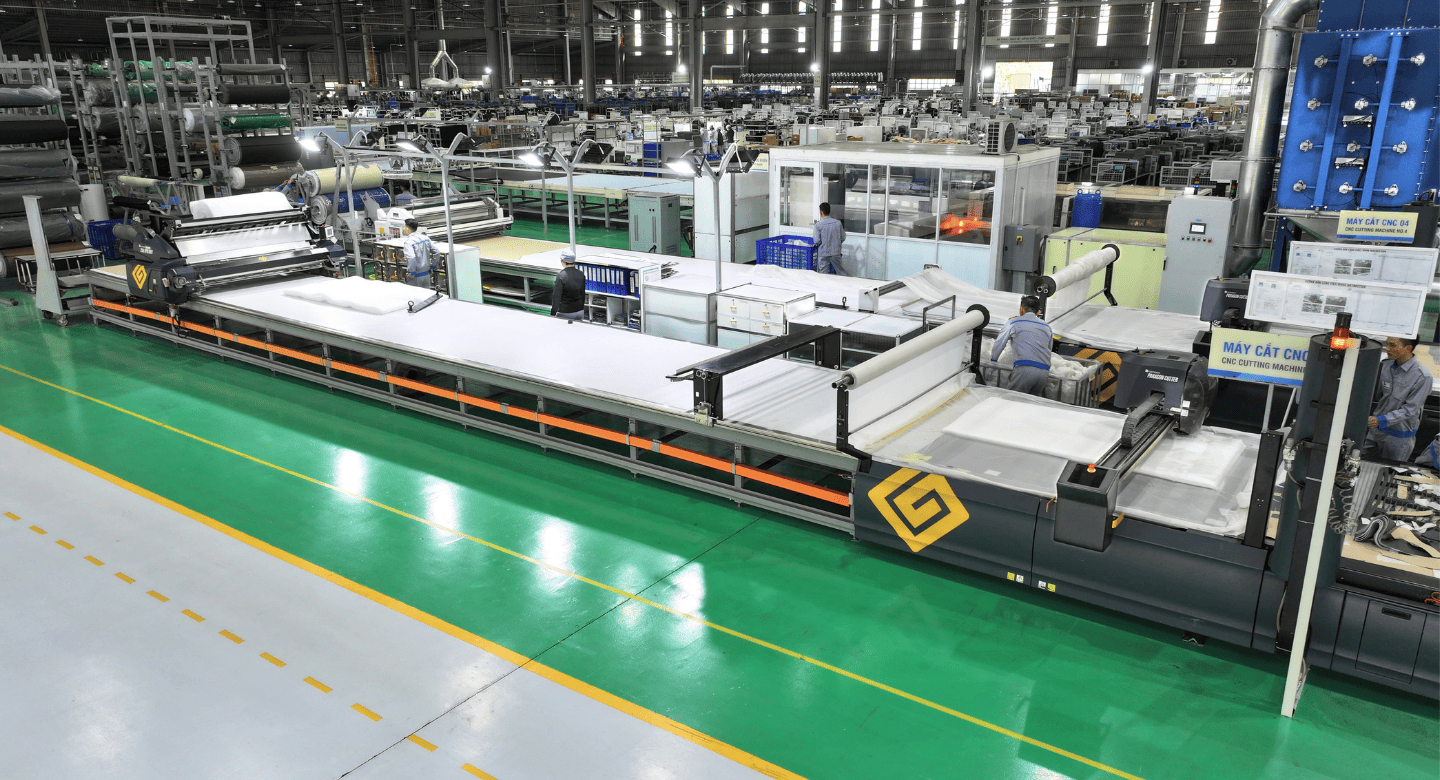
Step 1: Fabric Cutting Line
In the fabric cutting line, large rolls of fabric or leather are first spread evenly using automatic spreading machines. This creates a stable and uniform surface, which is important for accurate cutting in the next stage.
After that, CNC cutting machines cut the seat cover patterns according to the required dimensions. For leather materials, punching machines may also be used to create holes or special shapes for airbag deployment or trim details, while pattern pressing machines help the cut pieces maintain their proper form for sewing. This step is essential for ensuring precision, reducing material waste, and maintaining consistent quality for later assembly.
Step 2: Sewing Line
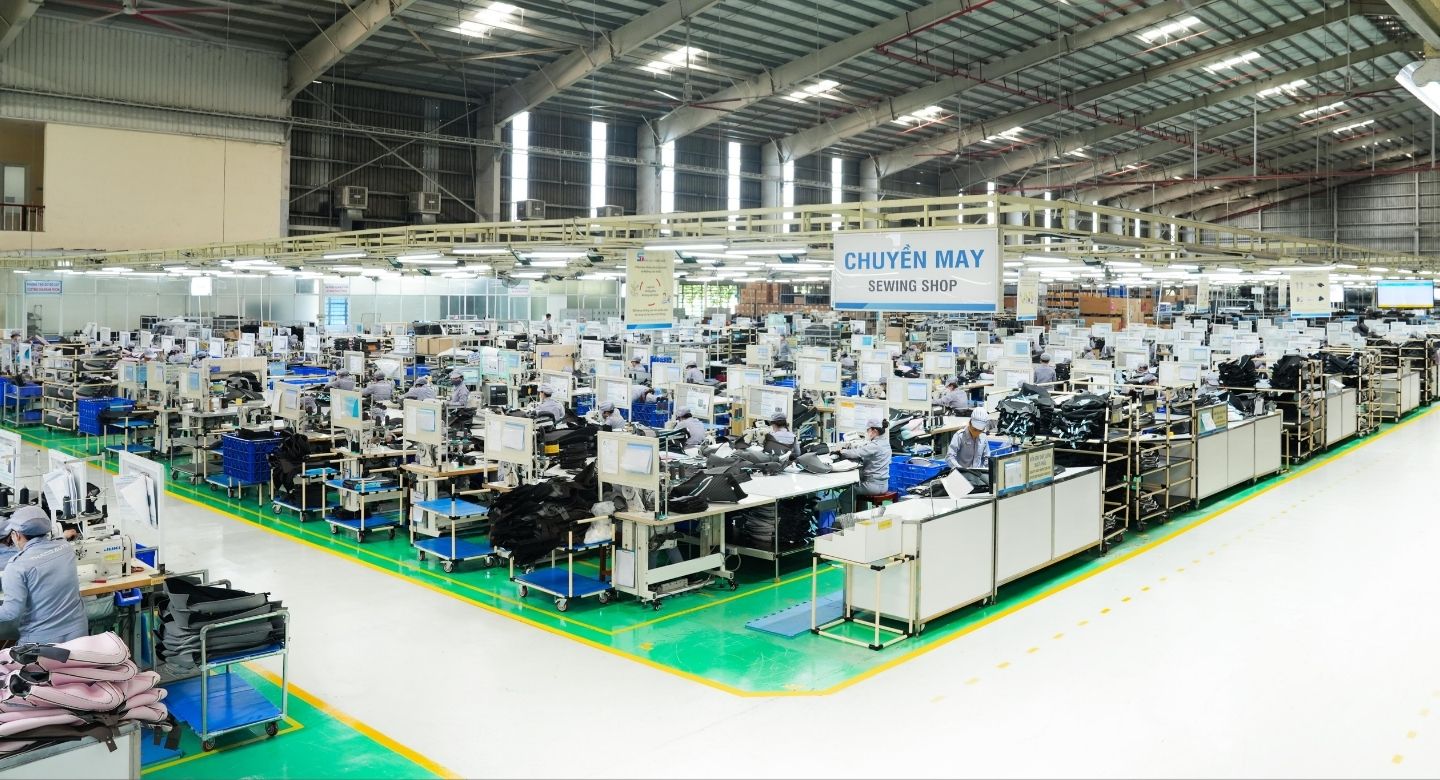
After the cutting process is completed, the fabric and leather components are transferred to the sewing line, where they are assembled into fully stitched seat covers. At this stage, OEM requirements are especially important because the stitching must satisfy both visual quality and safety standards. For example, the domestic line is designed for an estimated capacity of 60,000 sets per year, while the export line can reach around 300,000 sets per year.
To support this output, the line is equipped with around 300 single-needle and double-needle sewing machines, together with four specialized airbag sewing machines. Particular attention is given to airbag seam engineering, as these seams must split correctly during a collision without reducing the cover’s durability or affecting its appearance. As a result, this stage combines high-volume production with precise workmanship, ensuring that each seat cover is functional, safe, and visually consistent.
Step 3: PU Foam Padding Line
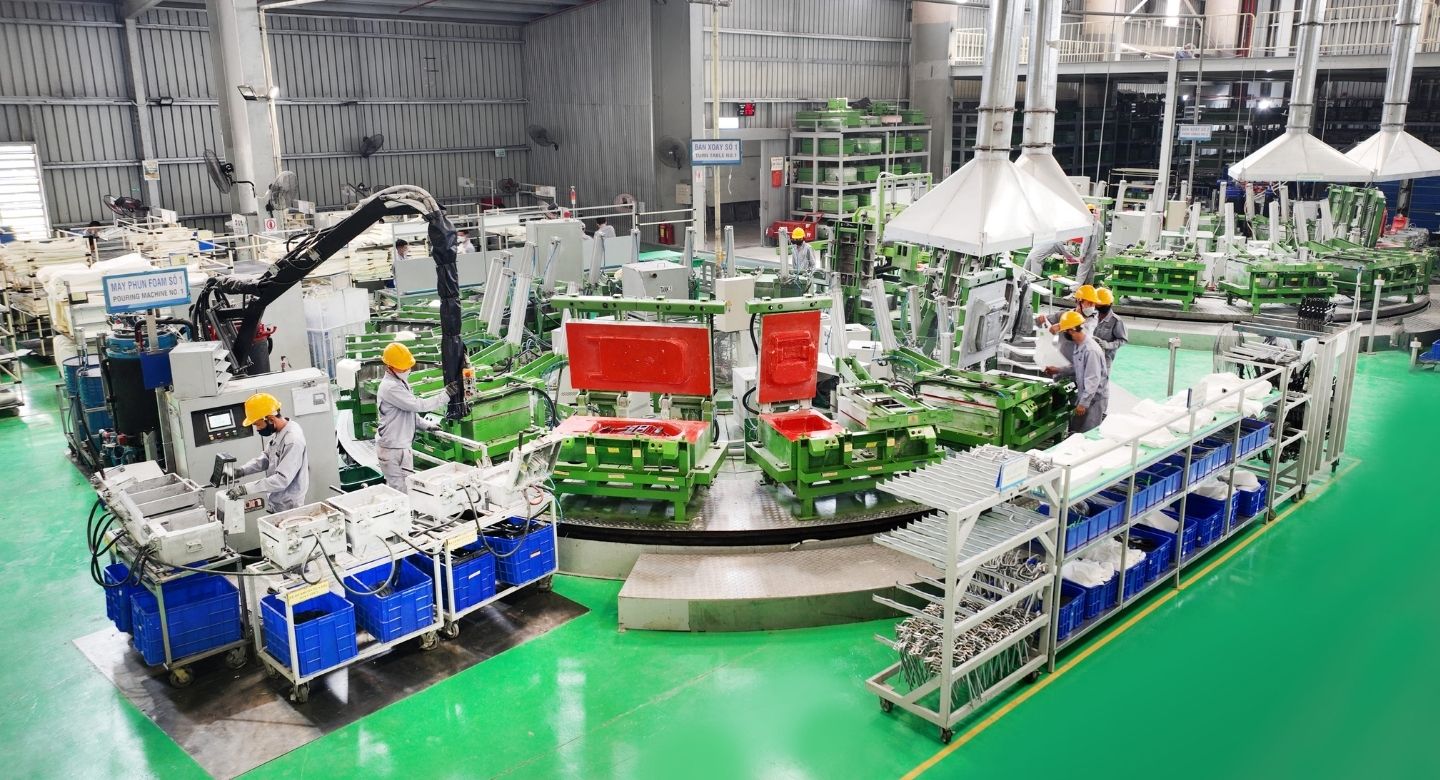
In the PU foam padding line, foam cushions are produced to provide both ergonomic comfort and structural support for the seat. Based on THACO INDUSTRIES’ estimated capacity, this line can produce about 60,000 sets per year. The process uses two automatic rotating tables, each fitted with around 18 to 20 molds, along with PU pouring machines and pressing machines that help control the final shape and density of the foam.
During production, liquid polyurethane is injected into heated molds, where it expands, cures, and takes the required form of the seat cushion. This method ensures consistent geometry, resilience, and comfort performance across all products. At the same time, the seat frames prepared for later stages must already meet specification requirements, be protected against corrosion through ED coating, and be ready to receive both the foam cushions and trim covers.
Step 4: Assembly Line
Once the seat covers, foam cushions, and seat frames are ready, they move to the assembly line, where all major components are integrated into the final seat structure. This stage is critical because it brings together the comfort, structural, and aesthetic elements of the product into one complete system. Before assembly begins, the seat frames are carefully prepared to meet strict OEM standards, ensuring that every dimension and mounting point matches the design requirements.
Each frame is manufactured to the required tolerances and treated with ED coating to improve corrosion resistance and long-term durability. After that, the foam cushions and trim covers are fitted onto the frame with precision so that the final seat achieves the required stability, comfort, and finish quality. This careful preparation and assembly process ensures reliable performance and consistent product quality.
Step 5: Quality Control & Testing
After assembly, every seat undergoes a comprehensive inspection and testing process to ensure that it meets OEM standards for safety, durability, and comfort. The process begins with verification of materials and components, during which foam cushions, upholstery, and seat frames are checked for dimensional accuracy and compliance with design specifications. This helps confirm that each part has been produced correctly before performance evaluation is carried out.
Specialized testing equipment is then used to assess different aspects of seat quality. PU padding hardness testers verify that cushion firmness meets ergonomic requirements, while traction and compression testers simulate real operating loads to confirm structural integrity. In addition, flammability testers are used to ensure compliance with automotive fire safety standards, and Taber abrasion testers evaluate the wear resistance of upholstery materials. Through this rigorous process, manufacturers can ensure that every finished seat performs reliably under both normal and demanding conditions.
THACO INDUSTRIES – Your Trusted Partner for Automotive Seat Manufacturing
THACO INDUSTRIES has built its position as a leading OEM manufacturer for automotive seating systems. We’re a fully integrated manufacturing ecosystem who’s operating a 40,000 m² manufacturing facility with modern production lines and internationally recognized management systems.
The Passenger Car Seats Company at THACO INDUSTRIES is not a standalone factory – it is part of a 320-hectare industrial complex supported by an end-to-end value chain covering R&D, engineering, manufacturing, logistics, and after-sales services. This ecosystem enables customers to access multiple industrial capabilities through a single strategic partner.
Trusted by industry leaders such as KIA and BMW, THACO INDUSTRIES demonstrates its capability to meet demanding OEM requirements. The company has also strengthened its automotive seating capability through technology transfer from LEAR, a global leader in automotive seating and electronic systems, bringing advanced manufacturing know-how and industry best practices into production.
THACO INDUSTRIES also ensures compliance with globally recognized standards, including:
- IATF 16949 – Automotive quality management system
- ISO 14001:2015 – Environmental management system
- ISO 45001:2018 – Occupational health and safety
By choosing THACO INDUSTRIES and our Passenger Car Seats Company, OEMs and technical decision-makers can trust in a reliable, high-quality partner capable of delivering complete passenger car seat solutions that meet international standards and rigorous industry requirements.
For more discussion, business can contact THACO INDUSTRIES to discuss your next manufacturing or OEM project through: partsales@thaco.com.vn & (+84) 389 067 557 (Ms. Linh).


