
Commercial & household products
Custom Free Weight Manufacturers: Requirements Gym Brands & Commercial Fitness Buyers Should Know
The global commercial fitness sector continues to expand, driven by growing demand in gyms, franchises, corporate wellness programs, hotels and educational facilities. The dumbbell and barbell segment is expanding as operators prioritize durable, high-performance free weight equipment for gym use. Instead of focusing on product availability, buyers are also paying attention to manufacturing consistency, scalability, and customizations that meet different operational purposes.
This trend is driving procurement teams toward specialized OEM manufacturers capable of delivering at scale. For gym brands and commercial fitness buyers, understanding how to assess custom free weight manufacturers is critical to making sound sourcing and investment decisions.
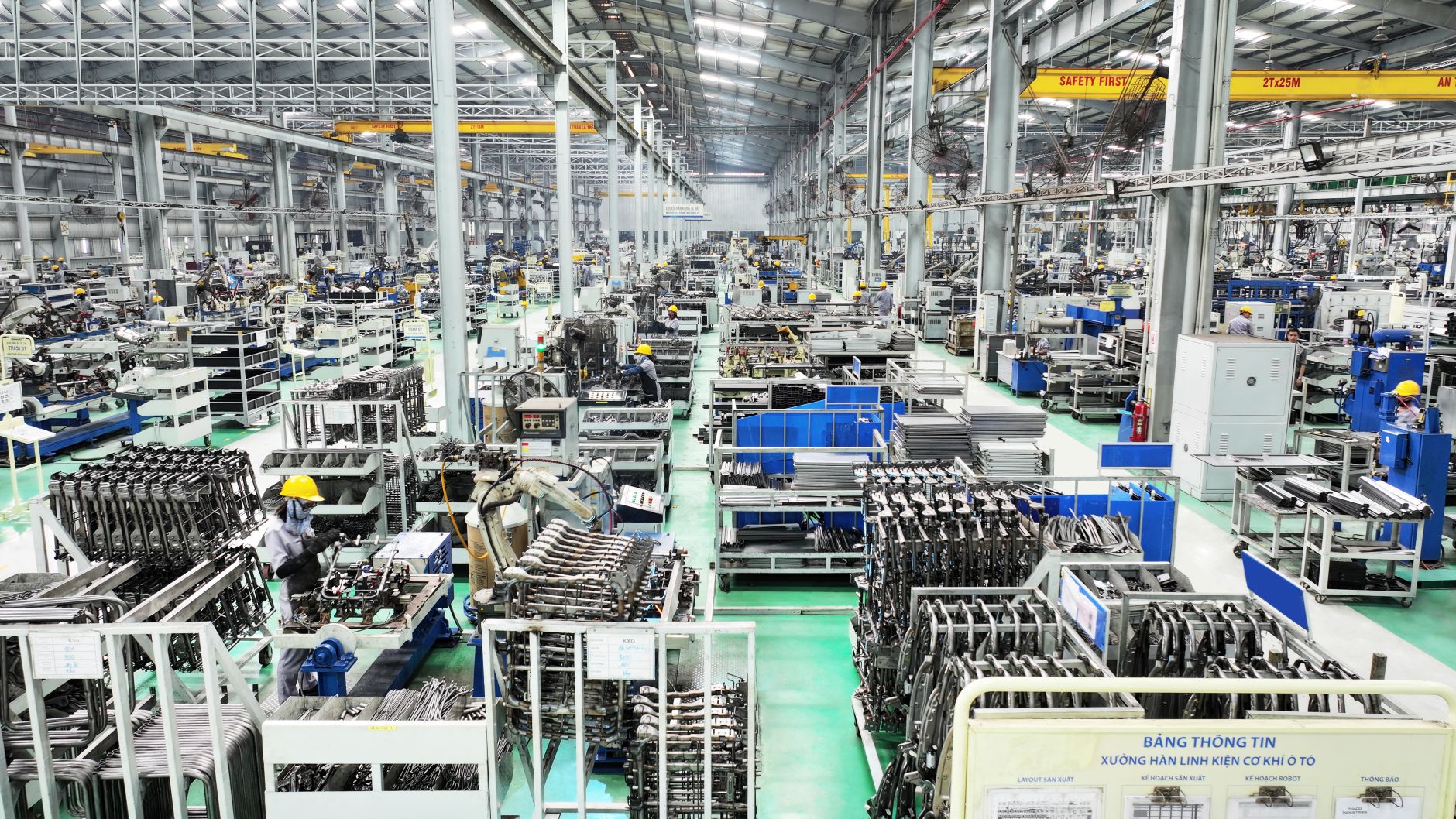
Types of Free Weights Used in Gyms
Selecting the right types of free weights is the first step when working with custom free weight manufacturers in any B2B procurement process. Each free weight type serves distinct training functions, facility layouts and user profiles.
Dumbbells
Dumbbells are fundamental strength training equipment widely used across commercial gyms, fitness centers, and distribution networks due to their versatility. Dumbbells are classified into two main categories: fixed dumbbells and adjustable dumbbells.
- Fixed dumbbells (rubber-coated, urethane, or steel) are preferred in commercial environments due to low maintenance and high-traffic usage. Urethane-coated dumbbells are especially valued in high-traffic facilities due to their longer service life and premium finish.
- Adjustable dumbbells (plate-loaded systems) are suited for space-limited facilities, corporate gyms, or budget-conscious buyers.
Both fixed and adjustable dumbbells can be customized through OEM manufacturing to meet branding, material, and performance requirements.
Barbells
Barbells are essential to strength-training areas and are commonly used for compound lifts such as squats, deadlifts, presses, and Olympic movements. Key product categories include Olympic barbells, power bars, and training bars, each designed for specific loading patterns, grip characteristics, and performance standards.
- Standard barbells (Olympic, powerlifting, training bars) typically measure 2200 mm (86.6 in) and weigh 20 kg. These bars are engineered for compound movements such as squats, deadlifts, and bench press, requiring high load capacity and durability.
- Specialty barbells (EZ curl, trap/hex bars, safety squat bars) are designed to support targeted movements, improve ergonomics, and reduce joint stress during targeted training.
Weight Plates
Weight plates are essential components in strength training, typically designed as disc-shaped units with a center bore to fit standard or Olympic barbell sleeves. Weight plates are widely used in both commercial gyms and home gyms, providing adjustable resistance for barbell-based training.
- Olympic plates (rubber bumper, urethane, cast iron) are widely used for durability, impact resistance, and floor protection.
- Change plates (fractional weights, 0.5–5 kg) enable precise micro-loading on standard 50 mm Olympic barbells.
Weight plates are easy to customize, enabling extended product lifespan in commercial use.. Common options include urethane-coated (PU) weight plates, which are widely specified for branding integration and enhanced durability in OEM production.
Kettlebells
Kettlebells are a type of free weight featuring a spherical body with an integrated arced handle. This design enables dynamic and ballistic movements such as swings, while improving grip strength, wrist stability, and overall upper body and core conditioning, with enhanced user safety.
- Cast iron kettlebells are cost-effective and durable for general commercial applications. The size of cast iron kettlebells relies on the weight, meaning the heavier weight will lead to the bigger in size.
- On the contrary, competition kettlebells offer the same size across weight variations, maintaining consistency to reduce grip fatigue, making them ideal for snatching and cleaning.
For commercial applications, manufacturers must control weight accuracy, handle dimensions, surface finish, and coating consistency to ensure safe and reliable performance across different training environments.
Specialty & Functional Free Weights
Besides standard free weights designed for strength training, specialty and functional free weights are developed to replicate real-world movement patterns and are widely used in functional training, rehabilitation, and high-intensity workouts. Commercial facilities also require specialty and functional training products such as medicine balls, slam balls, weighted clubs, sand bells, and grip-training tools, building complete free-weight systems.
By this increasing demands, distributors and gym brands often sourced from OEM components manufacturer to ensure consistency across product lines.
Why B2B Buyers Choose Custom Free Weights
Free weights customization for gym brands, distributors, and commercial fitness operators is a reasonable branding investment. Therefore, professional buyers usually select custom gym free weights to address specific operational challenges, due to its strengths lies in specific customization meeting different branding characteristics.
Performance & User Experience Optimization
Custom grip diameters, knurling patterns, and handle ergonomics directly affect training quality and safety. Optimized weight balance and tolerance improve control and inclusivity across different users and training styles. For buyers, working with a qualified custom free weight manufacturer helps ensure that these technical requirements are delivered consistently across product lines.
Brand Differentiation & Market Identity
Custom logos, color schemes, and product finishes help create a consistent visual identity across gym locations and equipment categories. For franchise operators and equipment distributors, consistent visual identity across locations strengthens customer loyalty, impacting the image of the facility. Private-label programs also open an additional revenue channel for fitness brands entering the commercial equipment market.
Durability & Lifecycle Cost Control
Selecting high-grade materials and different coatings, such as electrophoretic deposition (ED), urethane, powder coating or corrosion-resistant spray treatments can extend the product lifespan, depending on the product category. For B2B buyers, better material selection and surface protection can reduce replacement frequency, lower maintenance demands, and improve total cost of ownership over time.
Compliance, Safety & Market-Specific Requirements
Qualified manufacturers ensure compliance with regional safety standards. Equipment designed to meet space constraints and accessibility standards across different markets. These benefits of custom gym equipment from custom free weight manufacturers deliver operational safety, ensuring a sense of security while training.
With four benefits of custom gym equipment delivered by OEM manufacturers, measurable advantages in user satisfaction, operational efficiency and brand value are more likely to be pledged.
Key Customization Options Offered By Free Weight Manufacturers
OEM manufacturers offer flexible customization to meet precise technical and branding requirements:
- Materials: cast iron, ductile iron, steel, rubber encapsulation, urethane coating
- Branding: embossed logos, laser engraving, color inlays, Pantone-matched paint finishes
- Weight tolerances: calibrated testing within ±1–2% of declared weight
- Packaging: custom labeling, bulk pallet configurations, or retail-ready boxing for private-label programs
- Logistics: container-optimized packing to reduce freight cost and transit damage
These free weight customization options are designed for free weights specifications, perfectly aligning with different operational and aesthetic goals of different gym setups.
Criteria For Custom Free Weight Manufacturers
Selecting an OEM free weight manufacturer requires evaluating both technical capabilities and operational reliability. Key criteria include:
Production Capability
Manufacturers should demonstrate strong production control across the free weight manufacturing processes, from casting, forging, machining, welding and surface finishing. They should also be able to work with different materials such as cast iron, ductile iron, steel, stainless steel and urethane coatings while delivering consistent durability and aesthetics.
Customization Capability
The best custom free weight manufacturers accommodate custom dimensions, weight increments and tolerance specifications. This can help manufacturers approach a comprehensive market, demanding different specifications in designs.
In addition, leading custom free weight manufacturers also support branding with embossed logos, laser engraving, color coding and full private-label or OEM free weight production programs to maintain branding compliance through visual identity, strengthening the cohesive image of the facility.
Common International Standards
Meeting International Standards for gym equipment is a must when evaluating different qualified manufacturers. Professional custom free weight manufacturers should verify compliance with the following standards, from general management quality like ISO 9001:2015 to industry-specific certification like ISO 20957-1:2013 for General safety requirements for stationary training equipment, ISO 20957-4 for Strength training benches and racks, and ASTM F3105 applies in standard specification for weightlifting barbells and weights
Furthermore, EN fitness equipment standards are required for European market access, ensuring consistent quality among products that meet market standards. By adhering to different standards, buyers can feel more confident about consistent quality control for long-term secure operations.
Supply Chain & Logistics Support
Experienced custom free weight manufacturers provide export documentation and damage-prevention protocols. Reliable on-time delivery and compliant export processes help reduce procurement risk in cross-border operations.
Factory-Level Qualifications
Quality control protocols include welding certifications, weight verification, dimensional inspection, coating adhesion testing, and load capacity testing. Buyers should audit custom free weight manufacturers for structural evaluation protocols before signing contracts.
These criteria help identify manufacturers capable of delivering safe, high-performing products with consistent quality.
Standard Manufacturing Process Of Producing Custom Free Weights
A controlled manufacturing process ensures long-term durability and consistent quality for custom free weights. Standard production typically includes the following stages:
Design & Engineering
- Client requirement analysis: evaluating load capacity, dimensions and target user profile
- Advanced custom free weight manufacturers use structural modeling aligned with ISO 20957-1:2024 and CE marking requirements
- CAD drawings and functional prototyping before mass production sign-off
Material Selection
- Common materials include carbon steel, steel plates, and a round bar.
- These custom free weight manufacturers ensure tubing wall thickness complies with EN steel grades such as alloy steels, mild or structural steel.
Cutting & Forming
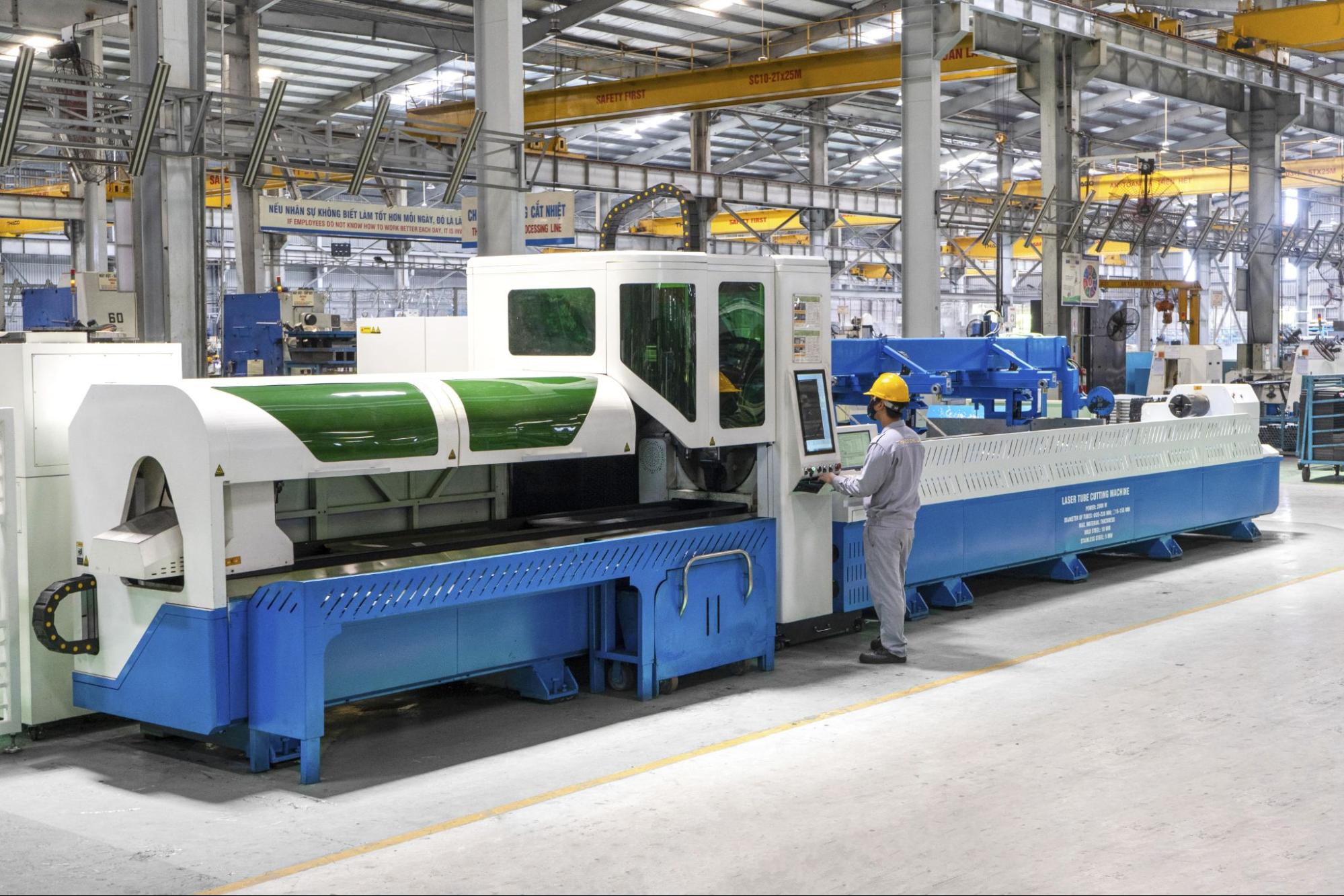
- Laser cutting is used to achieve precise holes and consistent plate geometry.
- CNC bending and drilling ensure tight tolerances and repeatable accuracy.
- Weight plate casting involves pouring molten metal, typically iron into molds to create durable, compact, and affordable training weights.
Welding & Fabrication
- MIG/MAG or TIG welding is selected based on joint specifications. Not all free-weight items require welding, but it can be applied occasionally to enhance structural integrity.
- Structural reinforcement is applied at stress points, followed by load testing to ensure strength and durability.
Surface Treatment
- Powder coating is applied after thorough surface cleaning to enhance anti-corrosion protection and extend product lifespan.
- Electrophoretic (ED) coating is utilized to provide superior corrosion resistance, particularly in high-humidity commercial environments.
Assembly & Inspection
- Fit testing and adjustability verification are conducted to ensure all components operate smoothly under actual training conditions. This includes impact or drop resistance.
- Load testing is performed in accordance with EN ISO 20957 to validate product safety and structural performance, which comprise weight accuracy, dimensional inspection, sleeve rotation/straightness for barbells’ structures.
- OEM manufacturers also carry out dimensional verification, coating adhesion against approved production drawings to guarantee consistency across large-volume orders.
- Additional branding color scheme or logo consistency are also included in inspection, making sure final products meet branding compliance.
Packaging & Logistics
- Knock-down (KD) designs optimize container space and improve shipping efficiency.
- Standard configurations: paired plate sets, dumbbell rack sets, individual units
- Protective export packaging, including wooden racks, PE foam and shrink wrapping. is used to minimize transit damage.
THACO INDUSTRIES – Trusted OEM Manufacturer For Free Weight Products
Among leading custom free weight manufacturers in Southeast Asia, THACO INDUSTRIES delivers integrated OEM solutions from engineering to global delivery.
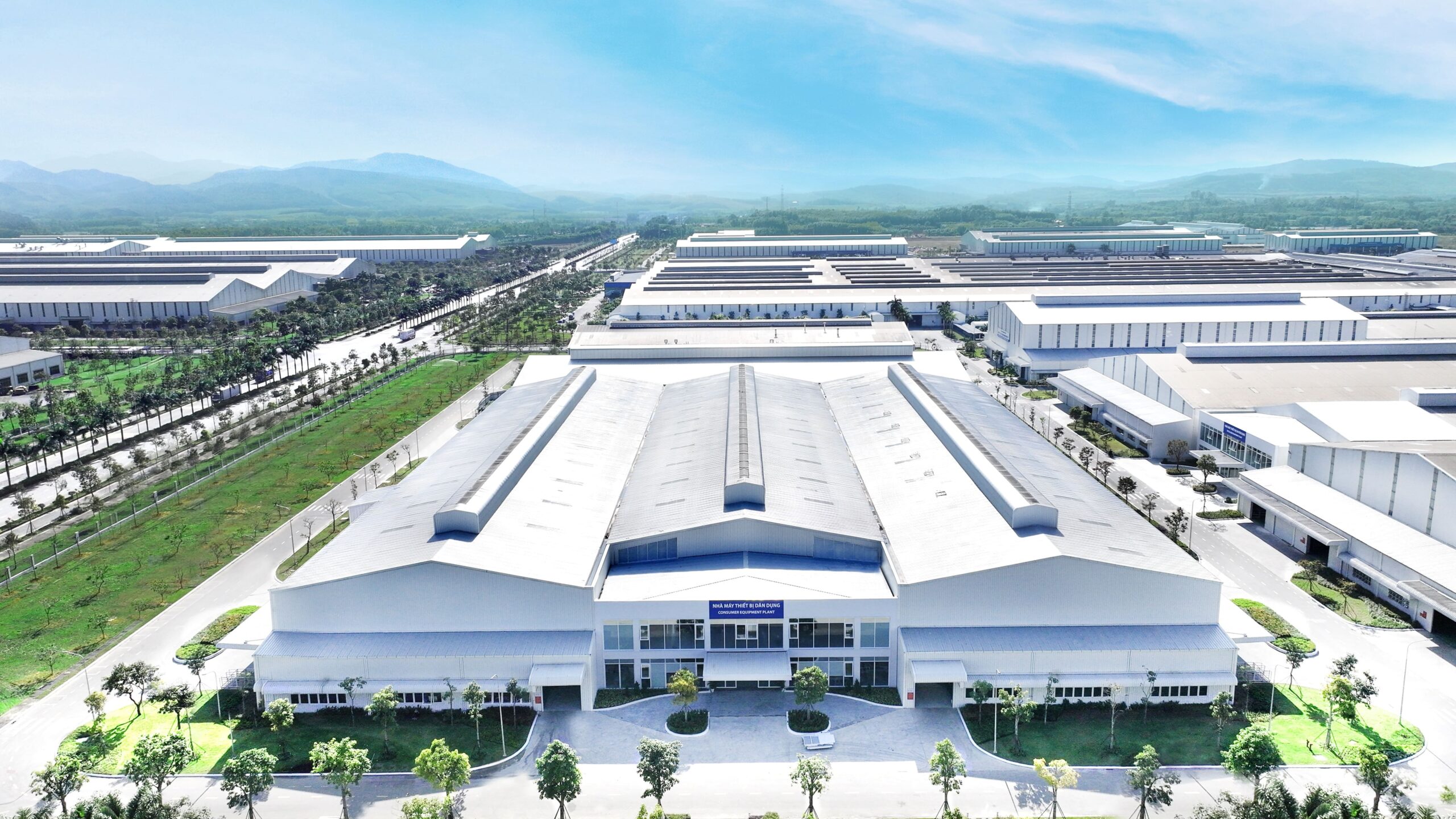
Integrated Manufacturing Ecosystem
THACO INDUSTRIES stands as Vietnam’s leading OEM partner in mechanical engineering and supporting industries, offering comprehensive solutions through advanced free weight manufacturing in Vietnam. With a 320-hectare integrated campus value at approximately USD 1 billion, the corporation delivers an all-in-one value chain from Business, Product Research & Development (R&D), Manufacturing to Installation, Warranty & Repair.
The Consumer Equipment Plant spans 25,000 m² with a USD 20 million investment, supporting annual production of 150,000 fitness equipment units alongside other mechanical components. This scale enables high-volume, precision manufacturing while maintaining cost efficiency.
Proven Capability In High-Volume And Precision
As a trusted brand among custom free weight manufacturers, THACO INDUSTRIES produces dumbbells, barbells, weight plates and complete gym systems including treadmills, racks and benches. This integrated product range helps reduce sourcing complexity and streamline procurement for multi-category buyers.
Advanced Process Of Equipment Manufacturing
The corporation’s production lines include CNC bending machines with a workable length of up to 12,000 mm, circular saw machines for H,U,V steel profiles, robotic welding systems, laser cutting centers and automated coating lines. This integrated technology platform supports high-precision fabrication and consistent quality across large-scale OEM production.
Strict Quality Control Aligned With Global Gym Standards
THACO INDUSTRIES applies structured quality control at every production stage, including hardness testing, material verification using optical emission spectrometry (OES), dimensional inspection, and coating adhesion testing. All processes comply with international standards, including ISO 9001:2015, ISO 14001:2015, and EN 1090. The company meets the highest execution class EXC4 under EN 1090, ensuring superior welding structure quality.
Efficient Logistics Options
THACO INDUSTRIES provides superior logistics with support for FOB, CIF and FCA terms, helping buyers reduce costs and delivery timelines while exporting to major markets in the US, Europe, Australia, Canada, Mexico, Japan, South Korea and ASEAN.
Contact THACO INDUSTRIES today to explore how our OEM expertise can support your custom free weight requirements: partsales@thaco.com.vn or (+84) 389 067 557 (Ms. Linh).


