
Product information
Key Factors in Automotive Interior Manufacturers
The quality and design of a vehicle’s interior play a crucial role in driver comfort, passenger experience, and overall brand perception. From seating and dashboards to panels and trims, automotive interiors require precision engineering, durable materials, and ergonomic design. In this article, THACO INDUSTRIES explores how leading automotive interior manufacturers develop innovative, high-quality solutions, combining advanced production technologies with tailored OEM/ODM capabilities to meet diverse market demands.
Understanding Automotive Interior Manufacturers
Automotive interior manufacturers play a central role in the vehicle supply chain by designing, engineering, and producing components that shape both user experience and brand identity. These manufacturers supply OEMs with highly engineered parts that must meet strict requirements for safety, durability, ergonomics, and aesthetics, while also supporting efficient assembly on modern production lines.
Core components typically produced include:
- Dashboards and instrument panels – integrating structural frames, decorative trims, display interfaces, and control systems.
- Seating systems – frames, foams, mechanisms, upholstery, and integrated safety features such as airbags and pretensioners.
- Door panels – including armrests, storage pockets, wiring interfaces, sound-insulation layers, and decorative trims.
- Headliners – lightweight composite structures with acoustic performance and mounting points for lighting or sensors.
- Center consoles – structural housings for infotainment controls, storage solutions, wireless charging modules, and HVAC interfaces.
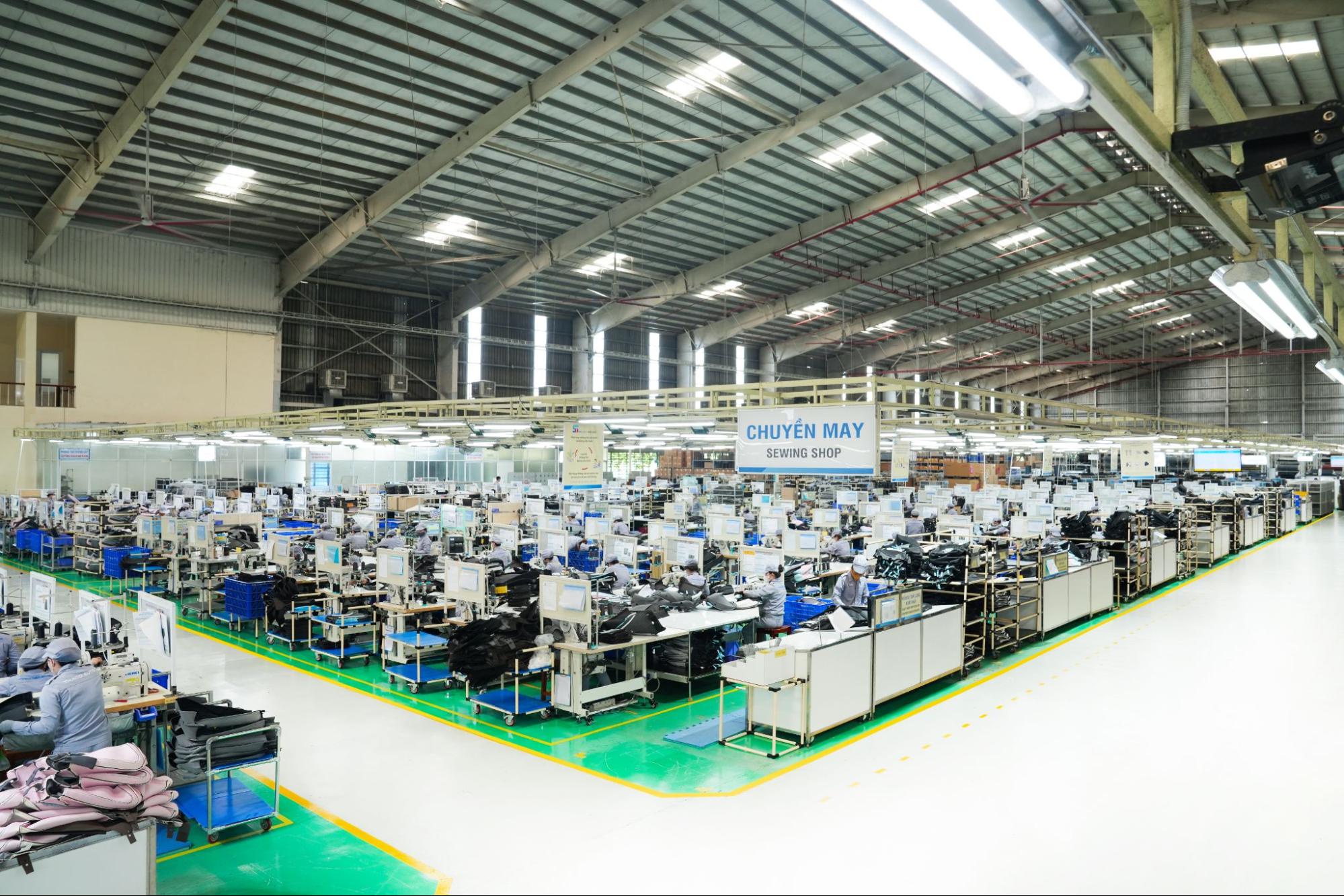
The industry is also shaped by several notable trends:
- Customization and modularity – OEMs increasingly demand flexible design options, premium finishes, and brand-specific styling.
- Eco-friendly materials – growing use of bio-composites, recycled plastics, vegan leather, and low-VOC adhesives to meet sustainability goals.
- Integration of smart technologies – touch interfaces, ambient lighting, haptic control surfaces, integrated displays, and connectivity features are becoming standard in next-generation interiors.
These factors reinforce the strategic importance of automotive interior manufacturers as partners that deliver both functional performance and high-quality automotive parts components, while also enhancing the overall in-vehicle experience.
Key Capabilities of Automotive Interior Manufacturers
To deliver cabin components that balance comfort, durability, and refined aesthetics, automotive interior manufacturers must blend engineering expertise with highly synchronized production systems. Their capabilities typically span from concept development to mass manufacturing, ensuring every part fits seamlessly into the vehicle’s overall design and performs reliably throughout its lifecycle.
Advanced R&D and Engineering
Most manufacturers operate dedicated R&D centers where teams use CAD/CAE tools to design components, assess ergonomics, and model user interactions. Safety and crash simulations are performed early in the process to validate structural strength, especially for dashboards, seat frames, and door panels before moving to physical prototypes. This engineering groundwork helps ensure that interior parts not only look refined but also meet global safety and performance standards.
Core Manufacturing Processes
Interior production involves a combination of high-precision forming and finishing technologies. Common processes include:
- Plastic injection molding for dashboards, center consoles, and various trims.
- Metal frame fabrication used in seat structures and reinforcement components.
- Foam molding to shape seat cushions and backrests with consistent density and comfort.
- Leather and fabric cutting, now widely automated, for efficient material use and uniform quality.
- Trim assembly, bringing together molded, foamed, and upholstered parts through welding, bonding, fasteners, or decorative surface treatments.
These steps must be tightly controlled to maintain accuracy, especially as OEMs push for lighter materials, improved tactile feel, and refined interior acoustics.
Automation and Modern Production Lines
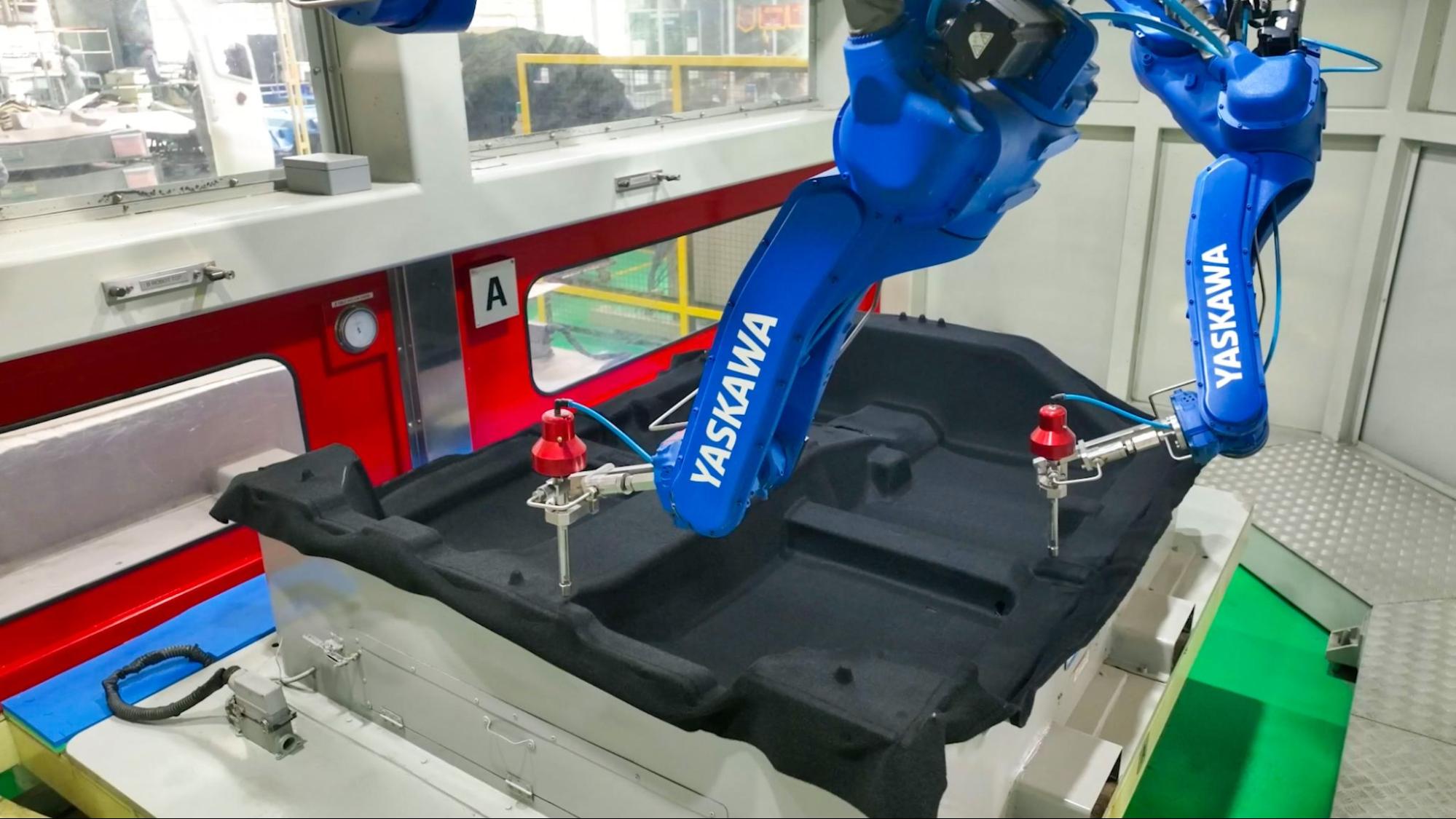
Automation has become central to achieving repeatable quality at scale. Robotic assembly, precision CNC machining, and real-time inspection systems help ensure every piece from a seat track to a dashboard panel, meets strict tolerance requirements. This also allows manufacturers to adapt to design complexity and shorter product cycles without compromising consistency.
Within this landscape, THACO INDUSTRIES as an auto parts suppliers offers a cohesive, vertically integrated setup that supports both OEM and ODM programs. The corporation’s capabilities include:
- Complete seat manufacturing, from metal frame fabrication to foam molding and final module assembly.
- Dashboard and instrument panel components produced using injection molding, finishing, and precision assembly techniques.
- Door trims and interior panels manufactured through automated technology lines ensure dimensional accuracy and consistent quality.
- A fully connected production flow that links processing and final assembly into a single streamlined operation, helping maintain consistency and shorten lead times.
This integrated approach enables THACO INDUSTRIES to deliver high-quality, customizable interior solutions for a wide range of vehicle platforms while meeting global standards for safety, durability, and manufacturability.
Standards and Certifications in Automotive Interior Production
Automotive interior manufacturing is governed by strict international standards to ensure safety, durability, and environmental responsibility. These frameworks guide everything from material selection to final assembly and help manufacturers deliver components that meet the expectations of global OEMs.
Global Standards and Certifications
Manufacturers typically operate under a set of internationally recognized certifications, including:
- IATF 16949 – the core automotive quality management standard that governs process control, risk management, and continuous improvement across the entire production chain.
- ISO 9001 – ensuring consistent product quality through well-structured management systems.
- ISO 14001 – focusing on environmental responsibility, waste reduction, and sustainable operations.
- ECE R2 – regulating electronic components within interior modules, particularly for safety and compatibility.
By adhering to these standards, interior suppliers can demonstrate reliability and compliance for global markets.
Quality Control and Laboratory Testing
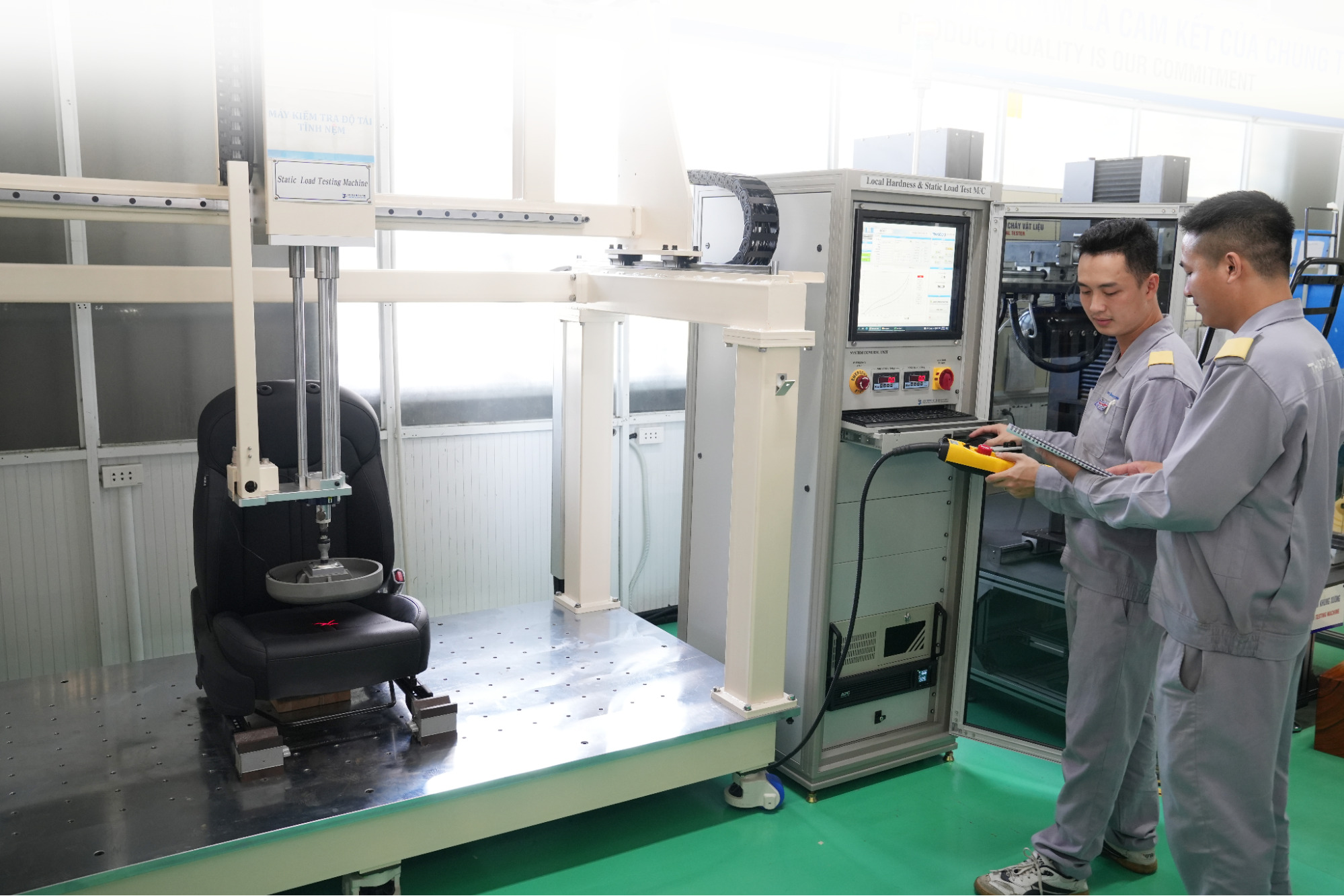
To meet OEM expectations, interior components undergo extensive testing throughout development and production. Common procedures include:
- Flammability tests to ensure materials meet safety requirements inside passenger cabins.
- UV and color-fade testing to maintain long-term appearance under sunlight exposure.
- Durability and wear simulations that replicate years of real-world use, especially for seats, trims, and touchpoints.
- VOC and odor emission controls to ensure interiors meet modern air-quality expectations, particularly for sensitive markets such as the EU.
These tests help manufacturers validate that every component performs consistently across different climates, load conditions, and user environments.
Sustainable & Compliant Material Use
As the automotive industry shifts toward greener solutions, interior manufacturers increasingly adopt materials that lower environmental impact without compromising performance. This includes:
- Recycled plastics are used in panels, trims, and structural supports.
- Bio-based or low-emission foams to reduce carbon footprint and improve cabin air quality.
- Low-odor and low-VOC materials for a healthier and more comfortable interior environment.
The move toward sustainable materials not only aligns with global regulations but also supports OEM commitments to ESG and greener mobility solutions.
Top 15 Automotive Interior Components in the Market Today
As the demand for comfort, aesthetics, and safety in vehicles continues to rise, leading automotive interior manufacturers play a crucial role in shaping the driving experience. From structural systems to delicate aesthetic details, these manufacturers deliver a comprehensive range of parts that meet global quality standards. Below is a detailed look at the top 15 essential interior components that are currently dominating the market.
Car Seats
As a central element of the cabin, modern car seats are designed to balance comfort, ergonomics, and safety. Leading manufacturers focus on high-quality materials, including premium leather and durable fabrics, while integrating advanced features such as electric adjustment, heating, ventilation, and memory positioning systems to enhance the driver and passenger experience.
Floor Carpets & Mats (Tappi Floor)
Floor carpets and mats serve both aesthetic and functional purposes, covering the vehicle’s floor pan to reduce noise and vibration while protecting the interior from dirt and moisture. These components are typically molded to fit the specific contours of the vehicle floor, offering durability and ease of cleaning.
Compartment Trims
Compartment trims encompass the various lining and covering panels used in the luggage area and other interior compartments. These trims provide a finished look to the vehicle’s storage spaces, concealing bare metal and wiring while offering resistance to wear and tear from cargo loading.
Interior Plastic Components
This category covers a wide range of molded plastic parts used throughout the cabin, from pillar covers to switch bezels and cup holders. High-precision injection molding technologies allow manufacturers to create complex shapes with varied textures and finishes, contributing significantly to the overall interior design language.
Air Conditioning Ducts (HVAC Ducts)
Hidden behind the dashboard and panels, air conditioning ducts are critical for the vehicle’s climate control system. They are engineered to efficiently direct airflow from the HVAC unit to the vents, ensuring optimal temperature regulation and air quality distribution throughout the cabin with minimal noise.
Insulation Sheets & Airbags
Safety and comfort are paramount in automotive design. Insulation sheets are applied to dampen sound and block heat transfer, creating a quieter cabin. Meanwhile, airbags are crucial passive safety devices, strategically folded and stored within interior panels to deploy rapidly and protect occupants in the event of a collision.
Headliners
The headliner is the composite material adhering to the inside of the car roof. Beyond providing a clean aesthetic finish to the ceiling, it plays a vital role in thermal insulation and acoustic absorption, helping to reduce road and wind noise inside the vehicle.
Armrests
Located on the door panels or the center console, armrests provide essential support for the driver and passengers, reducing fatigue during long journeys. They are often upholstered with soft-touch materials and may include integrated storage compartments or control switches.
Door Panels (Door Trims)
Door panels are complex assemblies that cover the internal door components while housing accessories like speakers, window controls, and storage pockets. They are a key focal point of interior design, often combining multiple materials such as plastic, leather, and fabric to match the vehicle’s trim level.
Dashboard (Taplo)
The dashboard is the primary control center of the vehicle’s interior, spanning the front width of the cabin. It houses the instrumentation, infotainment systems, and climate controls. Modern manufacturing focuses on soft-touch surfaces and seamless integration of digital displays to create a high-tech, premium feel.
Steering Wheels
The steering wheel is the driver’s main interface with the vehicle. Contemporary designs go beyond simple steering, incorporating multifunctional controls for audio, cruise control, and phone connectivity. They are often wrapped in leather or high-grade synthetic materials for better grip and tactile comfort.
Instrument Clusters
The instrument cluster provides vital driving information, such as speed, fuel level, and engine temperature. While traditional analog gauges remain in use, the trend is shifting toward fully digital, high-resolution display panels that offer customizable information layouts and integrated navigation data.
Seat Belts
Seat belts are the most fundamental safety restraint system in a vehicle. Manufactured to strict safety standards, they consist of high-strength webbing, retractors, and buckles. Modern systems often include pretensioners and load limiters to maximize occupant protection during a crash.
Seat Tracks (Seat Rails)
Seat tracks are the mechanical assemblies that allow the seats to slide forward and backward. Precision engineering is required to ensure smooth operation, stability, and high load-bearing capacity, ensuring the seat remains securely anchored even under extreme forces.
Sun Visors
Mounted above the windshield, sun visors are adjustable flaps designed to shield the driver and front passenger from sun glare. They often feature vanity mirrors and lighting, constructed with a rigid core covered in fabric or vinyl to match the headliner.
High-Quality Automotive Interior Manufacturing with THACO INDUSTRIES
As global expectations for interior fit-and-finish, durability, and modular customization continue to increase, OEMs require suppliers with the capability to deliver high-consistency, engineering-grade interior components at scale. THACO INDUSTRIES provides this capability through a fully integrated manufacturing ecosystem designed to meet OEM and ODM standards across global markets.
Integrated Production Ecosystem
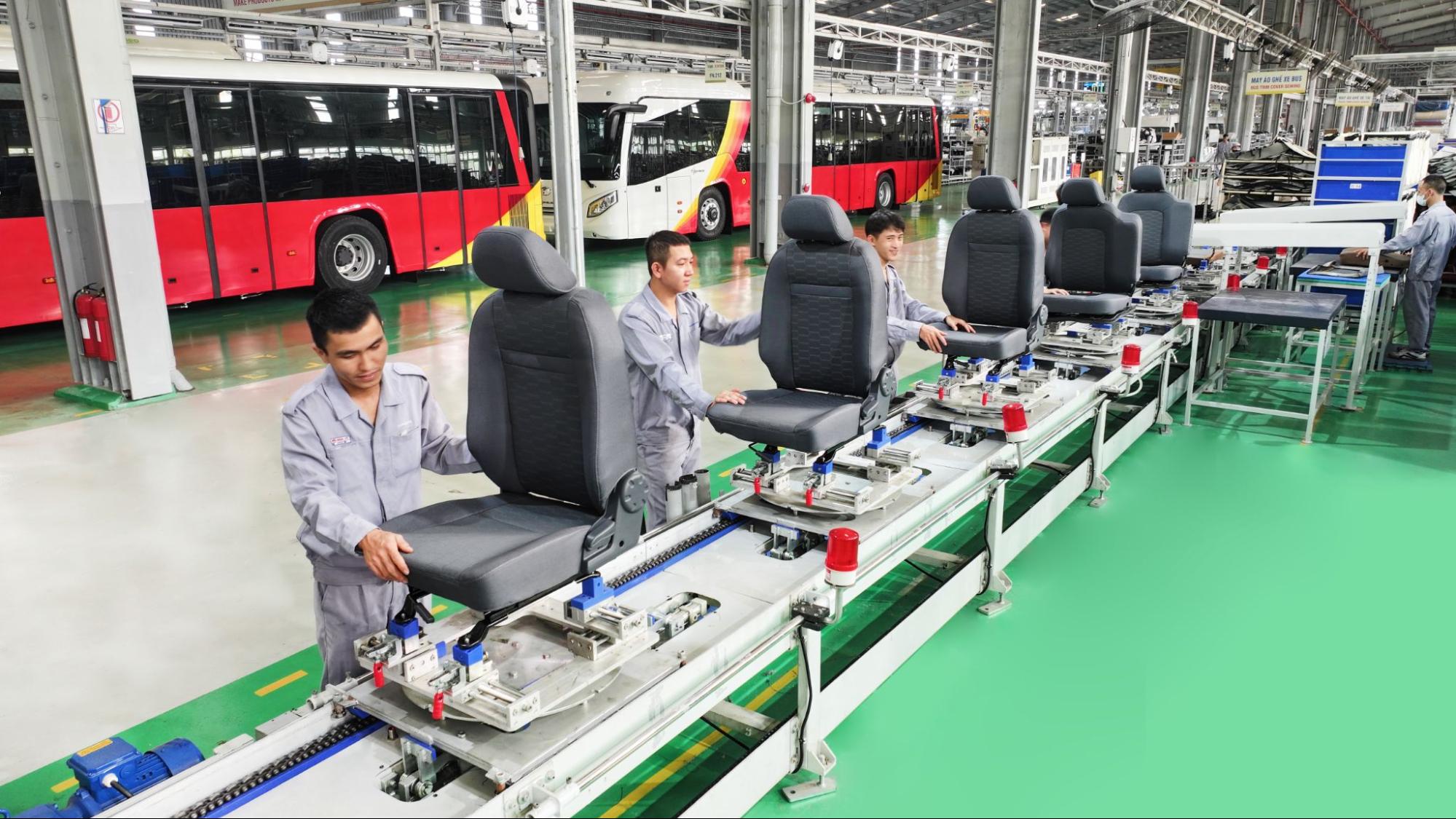
THACO INDUSTRIES operates a comprehensive manufacturing chain that brings all critical processes within a single manufacturing complex.This includes plastic injection molding, metal frame fabrication, foam molding, upholstery, trimming, and final interior assembly. The centralized workflow not only reduces lead time but also ensures seamless coordination between stages, enhancing consistency and overall product quality.
Advanced R&D and Prototyping Capabilities
Engineers at THACO INDUSTRIES leverage advanced design platforms such as CATIA, Siemens NX, and 3D scanning technologies to develop accurate models and simulations. In-house mold manufacturing and rapid prototyping allow faster design validation, enabling customers to shorten development cycles while maintaining precision. OEM/ODM/JDM Manufacturing for Global Markets
With experience supplying interior components for passenger cars, buses, light-duty trucks, and commercial vehicles, THACO INDUSTRIES ensures that cabin systems are optimized for different vehicle platforms, including a wide range of types of truck bodies, supporting both functional performance and design consistency. This also includes commercial transport solutions such as trailer vs semi-trailers, where interior components must be adapted for different structural designs and operational requirements. Whether producing to customer drawings (OEM), co-developing interior modules (ODM), or participating in joint development manufacturing (JDM), the corporation ensures each product meets international standards and market-specific requirements.
Production Excellence and Quality Assurance
THACO INDUSTRIES applies advanced, highly automated technologies throughout its production system, supported by digitalized management platforms. This ensures consistent quality, precise engineering, and uniformity across large-volume interior component manufacturing. Quality control is enforced at every stage, supported by international management systems including ISO 9001:2015, ISO 14001:2015, and compliance with automotive standards such as IATF 16949:2016. Strict audits, tolerance checks, durability validation, and material traceability ensure components meet OEM-grade reliability.
Key Benefits for Partners
Clients working with THACO INDUSTRIES gain:
- Cost-efficient large-scale production supported by Vietnam’s competitive manufacturing environment.
- Scalable capacity suitable for high-volume programs or diversified model requirements.
- Strict quality control aligned with global automotive benchmarks.
- On-time delivery backed by an optimized logistics and packaging system.
- Confidentiality & IP protection, ensuring safe collaboration on proprietary designs.
With integrated production, advanced R&D, and proven OEM/ODM capabilities, THACO INDUSTRIES stands as a reliable partner for global automotive interior manufacturers seeking quality, flexibility, and long-term value.
THACO INDUSTRIES is a manufacturing corporation specializing in automotive parts manufacture for global markets. Its product portfolio covers auto body parts, automotive interior and exterior parts (radiator and condenser assembly, and integrated systems for automotive wiring harness, and more). All production activities are carried out according to international standards, including IATF 16949, ISO 14001, 45001 and ISO 9001 certifications, ensuring stable quality and consistency. With strong in-house capabilities in R&D and manufacturing, THACO INDUSTRIES operates as a reliable automotive original equipment manufacturer (OEM) and ODM partner, delivering scalable solutions that fully comply with international technical standards.
For consultation or project collaboration, contact THACO INDUSTRIES via email: partsales@thaco.com.vn or hotline +84 348 620 063.


