
Industrial Equipment
Electrical Cabinet Manufacturing Cost: Key Factors That Affect Pricing
Cabinets are fundamental infrastructure, which manufacturing cost varies based on different components, including material selection, cabinet size, IP protection rating, customizations and operational environment. This article breaks down each cost driver and provides practical guidance for buyers seeking to utilize the investment in electrical cabinet procurement, securing a partnership with the suitable OEM manufacturer.
What Is an Electrical Cabinet?
An electrical cabinet is a metal enclosure, used to house and protect electrical equipment including switches, push buttons, circuit breakers, fuses, transformers, meters and control components. The cabinet provides both physical protection for the equipment inside and a unified interface for monitoring and managing the electrical circuit.
Buyers sometimes confuse electrical cabinets with switchboards, but these are distinct components with different functions.
An electrical panel (sometimes called switchboard) is a voltage switching system used to distribute electricity to a building or piece of electrical equipment. On the other hand, an electrical cabinet is the cabinet housing for electrical components that protects one or more switchboards inside and allows comprehensive monitoring of the electrical circuit structure within.
In addition, multiple electrical panels can be mounted within the same central control cabinet, ensuring system uniformity. In the event of a fault, each panel is designed with its own protective device to prevent disruption to the entire electrical system.
Types of Electrical Cabinets for Industrial Application
By Function
Industrial electrical cabinet types are divided into several categories based on their specific roles in power systems. Each type serves a distinct function to ensure safe electrical distribution.
- RMU cabinets are used for small substations, outdoor substations, relay substations and distribution substations. They perform voltage measurement and signal functions within the FRTU system.
- MSB cabinets are a common type of power distribution cabinet located near the substation. They handle voltage conversion and distribute power from the main cabinet to branch cabinets and various load areas.
- ATS cabinets function as an automatic transfer switch cabinet responsible for flexible power switching between the main and auxiliary sources, ensuring continuity and stability of the electrical system.
- Synchronization cabinets are responsible for synchronizing generators with each other. They also synchronize the grid with generators in case of a grid failure.
- Capacitor banks serve as a reactive power compensation cabinet used to compensate for reactive power in the system. This compensation helps reduce energy losses and contributes to saving overall operating costs.
By Installation Location
Indoor electrical cabinets are usually distribution cabinets such as MSB and DB. They feature compact size and do not require much installation space. The cabinet housing is constructed from steel, aluminum, ABS plastic, composite or stainless steel with a characteristic light gray color.
Outdoor electrical cabinets face harsh installation environments. These cabinets require a much higher protection rating than indoor cabinets. The main materials used are stainless steel, CT3 steel, or other corrosion-resistant steel with an IP66 rating or higher, along with high heat resistance and fire resistance for up to 3 hours.
By Voltage
Low-voltage cabinets are usually used for electrical systems in residential or industrial electricity applications. Medium-voltage industrial power distribution cabinets, used in substations for apartment buildings, factories and industrial parks, switch on and off while protecting power transmission lines. A medium-voltage cabinet requires thicker insulation and more robust construction than its low-voltage counterpart.
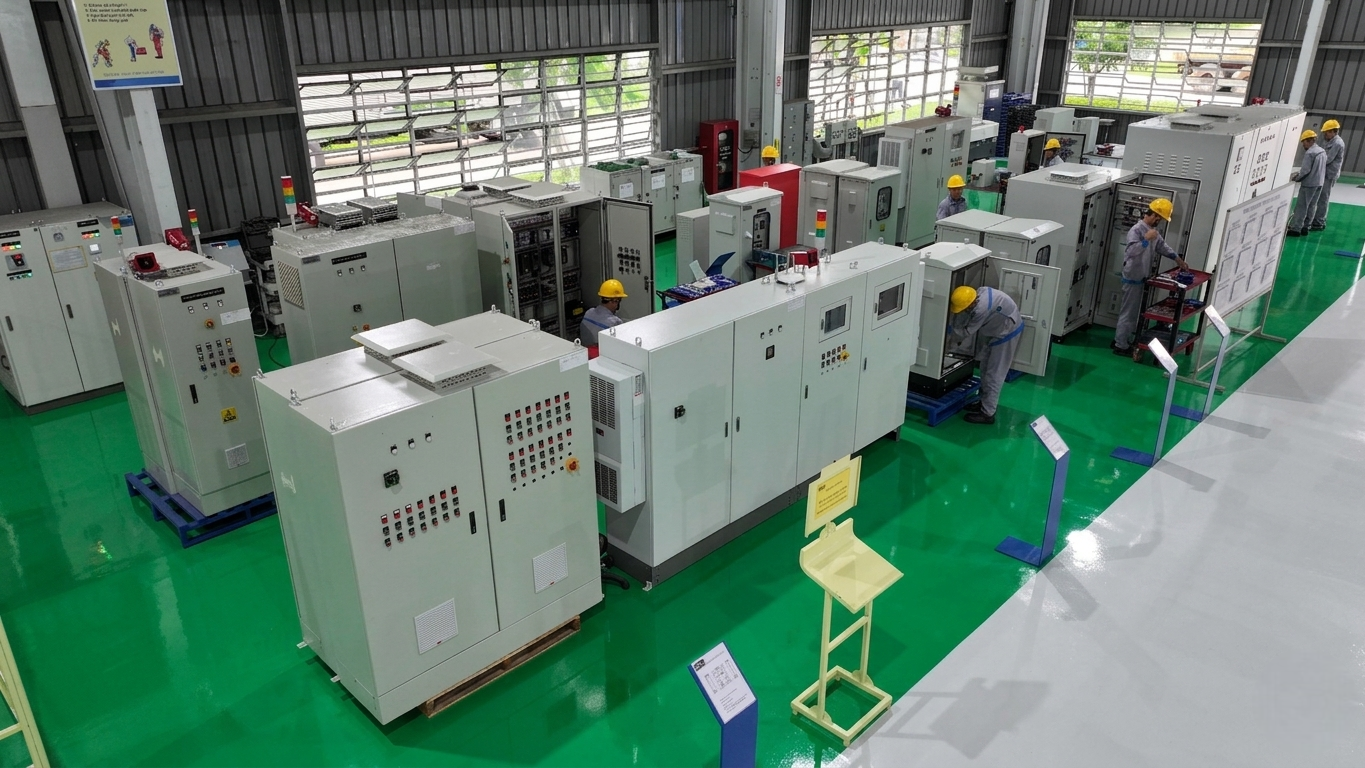
Factors Determining the Electrical Cabinets Manufacturing Cost
Material Selection and Durability
Material cost is one of the primary factors influencing electrical cabinet manufacturing decisions. Different operating environments require different material choices, as each material provides specific advantages in terms of durability, corrosion resistance, and long-term performance. Although it comes at a higher cost than mild steel, stainless steel provides excellent corrosion resistance and is the preferred choice for harsh environments, food processing facilities, and marine applications.
Aluminum cabinets offer a lightweight option with good corrosion resistance for applications where weight is a constraint. Fiberglass reinforced plastic excels in highly corrosive chemical environments where metal alternatives would deteriorate rapidly and require frequent replacement.
The correct material selection for the operating environment can improve equipment lifespan and reduce maintenance requirements over time, although it may increase material cost compared with standard mild steel options.
Internal Space Requirements
Internal cabinet space requirements directly affect cabinet dimensions, structural weight and the complexity of the fabrication process. Usable internal space must accommodate not only the primary electrical panels but also thermal management systems, circuit boards, ventilation components and sufficient clearance for maintenance access and future panel additions.
Cabinet sizing should also consider the installation environment and application requirements. Residential buildings such as apartments and high-rises may require different cabinet configurations compared with industrial facilities, where larger systems and higher power capacities often require additional internal space for further updates.
IP Rating Requirements
The electrical cabinet protection level required for the installation environment determines the sealing standard, material grade, gasket specification and testing protocol. Indoor cabinets typically require IP54–55, covering dust ingress and water splash protection. Outdoor cabinets in coastal areas, high-rainfall regions, or chemically exposed environments may require higher, combined with anti-corrosion coatings and additional structural sealing.
Using an undersized IP rating in a harsh environment can lead to premature cabinet failure and significant replacement costs. Electrical cabinet protection level directly correlates with manufacturing complexity and material selection. Sealing gaskets, special fasteners and reinforced enclosures add to the electrical cabinet cost factors.
Installation and Logistics
Retrofit cabinet cost is consistently higher than installation before structural finishes are complete. Cabinets installed before plastering are easier to position, cable and secure, reducing on-site labor time. Geographic location affects labor rates for installation, which vary significantly between regions and between indoor and outdoor installation environments.
Transportation cost for electrical cabinets is a considerable portion of total landed cost. Small cabinets can be packaged in carton and foam, while units exceeding 200 kg require sturdy 3-layer packaging with wood pallets, anchor bolts and reinforced container securing. These industrial enclosure pricing factors should be evaluated before finalizing a supplier.
Customization Cost Required by Customers
Depending on customer requirements, the fabrication of electrical cabinets becomes part of the manufacturing cost. Your application may require special dimensions or features not available in a stock enclosure. These include specific colors, plastic components, racks, unusual shapes, special drawers and special door locations. A made-to-order electrical cabinet costs more than standard off-the-shelf products but delivers exactly what your application needs. OEM electrical cabinet fabrication allows complete control over specifications but requires closer collaboration between buyer and manufacturer.
How to Utilize Manufacturing Cost of Electrical Cabinet
Identify Your Specific Needs Before Ordering Electrical Cabinets
Each installation environment imposes different cabinet requirements. Determining the infrastructure purpose, usage conditions, installation space constraints and operating environment before engaging a manufacturer prevents the cost of revisions after engineering has begun.
Buyers should also determine how the enclosure will be mounted, whether wall-mounted, floor-standing, or pole-mounted, as each imposes different structural requirements on the cabinet frame and mounting hardware. A floor-standing electrical cabinet for a high-load industrial application requires significantly heavier structural specification than a wall-mounted unit for light commercial use.
Working with Engineers to Finalize the Sample Product
Incorporating client changes during the sample production phase accelerates the timeline and reduces rework cost significantly. Preparing engineering and schematic drawings for client approval before fabrication begins closes the gap that most commonly causes expensive mid-production revisions.
When standard products can meet functional requirements, using standard configurations helps eliminate unnecessary design features and maintain a better balance between performance and cost. Working closely with experienced manufacturers also helps simplify specifications and identify practical solutions during the design stage.
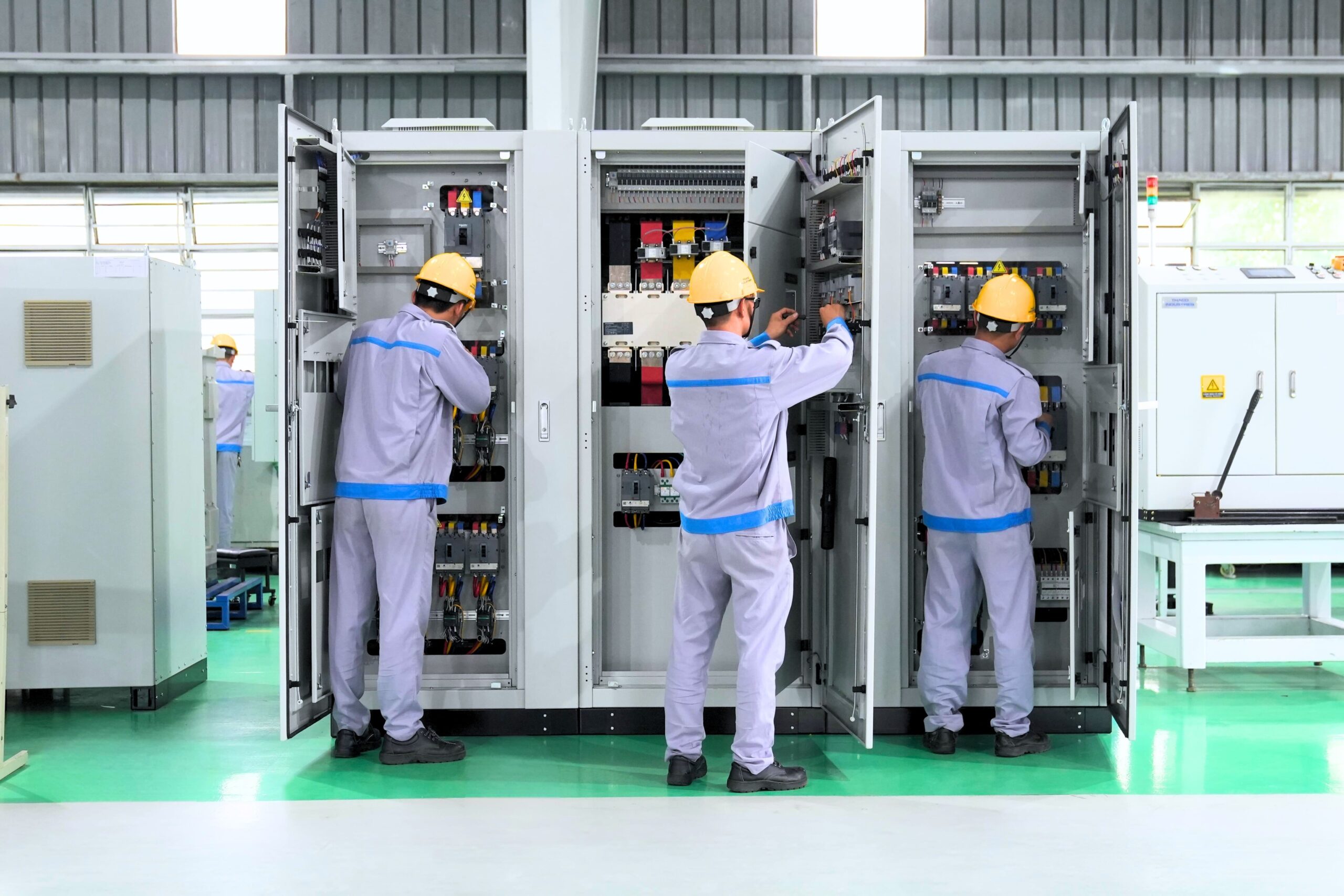
Consider Initial Investment and Aftercare Maintenance
Preventive maintenance for cabinets is often underweighted at procurement. A manufacturer with a structured warranty, repair system, and the capability to provide phased maintenance plans, reduces the total cost of ownership over the cabinet’s service life. These requirements are essential for long-term usage but are often overlooked by buyers focused solely on initial price.
If buyers consider outdoor operation, choose waterproofing materials. For saline environments, select anti-corrosion materials. User-friendly cabinet design with accessible components reduces maintenance labor costs over the equipment’s life.
Choose Integrated Manufacturing Plant
To minimize material costs from various sources, buyers should prioritize a factory capable of comprehensive processing from electrical cabinets and switchboards to external electrical enclosures. Instead of going to different vendors for different parts, an integrated manufacturer or specialized factory can be more efficient at cutting down overhead costs. This approach also ensures consistent quality across all components.
In addition, an integrated manufacturing plant needs to meet design, installation, and metal stamping standards using modern and advanced technologies. With experienced engineers monitoring the production line, the factory can ensure flexibility and high-quality electrical cabinets.
THACO INDUSTRIES – A Trusted Manufacturer in Electrical Cabinet
As one of Vietnam’s pioneering OEM electrical cabinet manufacturers, THACO INDUSTRIES delivers comprehensive electrical cabinet manufacturing capabilities across a full range of industrial and power distribution applications, giving international customers confidence when selecting a long-term OEM partners.
Manufacturing Capabilities and Facilities
THACO INDUSTRIES operates a complete all-in-one value chain covering business development and engineering design, manufacturing across synchronized production lines, installation support and commissioning and lifecycle warranty and maintenance services. This structure streamlines unnecessary logistics costs between production stages and ensures consistent quality from material intake through final delivery.
Sheet metal enclosure fabrication at THACO INDUSTRIES encompasses a fully automated metalworking process: slitting, laser cutting, stamping, panel bending, robotic welding, shot blasting, ED coating and powder coating. This process chain delivers high dimensional accuracy, consistent surface quality and durable corrosion-resistant finishes suited to demanding operating environments. Advanced manufacturing technology enables buyers to control electrical infrastructure solutions cost while benefiting from OEM flexibility.
Buyers can tailor cabinet specifications to specific application requirements without switching suppliers between production stages. By applying the same engineering disciplines that optimize and improve manufacturing efficiency across mechanical and structural programs, THACO INDUSTRIES proposes cost-efficient alternatives that meet the functional requirement without unnecessary complexity.
Proven Product Portfolio
As an OEM electrical cabinet manufacturer, THACO INDUSTRIES delivers electrical cabinet manufacturing capabilities that meet global standards. The corporation also serves as a custom electrical enclosure supplier, offering tailored solutions for buyers who require specific dimensions, materials, or protection ratings that off-the-shelf products cannot fulfill. THACO INDUSTRIES manufactures a comprehensive range of custom electrical enclosure products across power distribution and control applications:
- Power Distribution Panels: SYN (synchronization), MSB (main switchboard), ATS (automatic transfer switch), MDB (floor-mounted) and CP.
- Control Panels: PLCP, SCADAP, PCP, FCP, LCP and ICP configurations for process control, fire protection, lighting and instrumentation applications.
This breadth of the electrical cabinet product portfolio proves the corporation’s manufacturing competence across both standard and specialized industrial configurations.
Compliance to International Standards
THACO INDUSTRIES strictly complies with international standards governing certified industrial electrical equipment manufacturing and testing. The quality and compliance framework includes ISO 9001:2015, ISO 14001:2015, ISO 45001:2018 and EN 1090-1 for structural fabrication. The corporation also uses modern machines to control output products, including hardness testing machines and optical emission spectrometers. These instruments monitor hazardous substance limits to meet RoHS and REACH requirements.
As a certified industrial electrical equipment supplier, THACO INDUSTRIES also pays attention to other qualifications related to electrical operations. Specific international standards for electrical cabinets IEC 61439 for low-voltage switchgear and controlgear assemblies and IEC 60529 for IP54 ratings. Compliance with these standards ensures product safety and market access.
Efficient Logistics Options
Flexible logistics options represent one of THACO INDUSTRIES’s strengths. International shipping for electrical cabinets requires structured protective packaging to prevent moisture ingress, vibration damage and physical impact across long-haul transit routes.
THACO INDUSTRIES applies three-layer packaging protection as standard for electrical cabinet packaging:
- The primary protection layer uses PE film, VCI bags, or shrink wrap to prevent moisture and dust exposure during transportation.
- The secondary protection layer applies foam, EPE, or honeycomb paper to absorb shocks and minimize vibration impact.
- The outer structural protection layer uses reinforced plywood crates or pallets to ensure safe transport and prevent dents or damage to the cabinet casing.
These packaging specifications ensure no shifting, no dents or damage to the cabinet casing and no impact on internal electrical components throughout the shipping process.
The corporation also offers clients competitive pricing using different logistics tactics. Optimized container-loading packaging like FCL shipments diminishes risk during transit.
In short, although the production cost of electrical cabinets can depend on many factors, choosing the right factory to partner with will help customers optimize their investment capital and flexibly adjust technical factors, ensuring that the final product achieves the desired performance.
With its years of experience in manufacturing electrical equipment, THACO INDUSTRIES will be a suitable choice for many different needs, bringing customer satisfaction through its efforts to perfect its production process. Contact THACO INDUSTRIES today to schedule an appointment via partsales@thaco.com.vn & (+84) 389 067 557 (Ms. Linh).


