
Agricultural Equipment
How to Choose the Right Manufacturer for Processing Equipment
Processing equipment is essential for transforming raw materials into finished products across industries like food processing, manufacturing, and heavy industry. Choosing the right manufacturer goes beyond a basic capability check. It requires a structured evaluation of engineering depth, customization flexibility, production capacity, and compliance with quality standards. This article outlines key manufacturing techniques and practical criteria to help businesses select the right partner for their processing equipment needs.
What Is Processing Equipment?
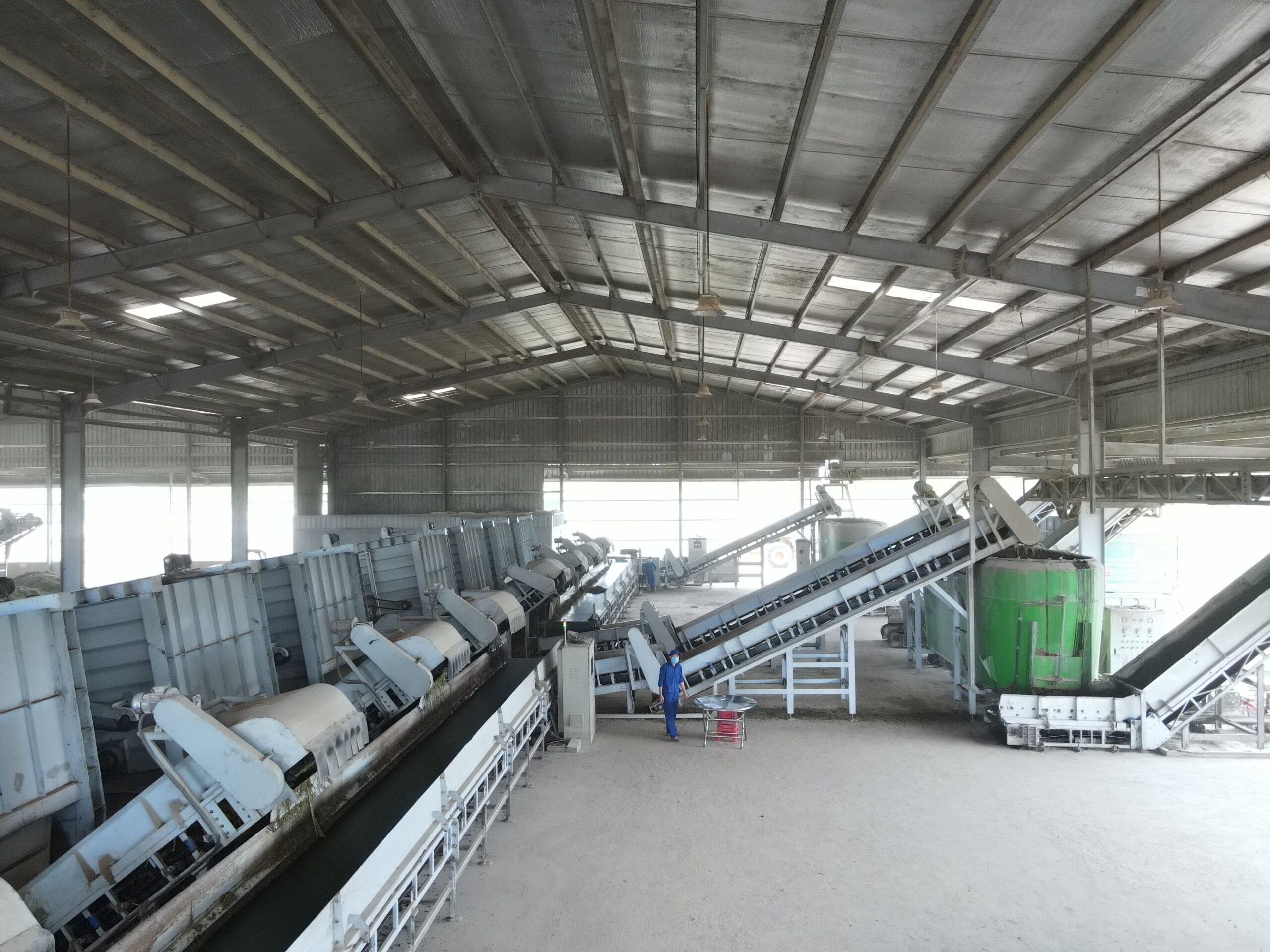
Processing equipment includes machinery designed to convert raw materials into finished or semi-finished products through mechanical, thermal, or chemical processes across a wide range of industrial applications. These systems are engineered to meet specific performance, durability and precision requirements based on the material being processed and the operating conditions of the application. .
Processing equipment is deployed across a wide range of industries and applications:
- Mining and minerals processing: Crushers, grinders, screens, flotation cells, thickeners, feeders and bulk processing systems.
- Agriculture and food processing: Grain dryers, seed cleaners, milling machines, mixers and sorting, grading and packaging lines.
- Chemical and petrochemical processing: Reactors, distillation columns, evaporators, heat exchangers, separators and filtration systems.
- Pharmaceutical and biotech processing: Bioreactors, fermenters, granulators, tablet presses and sterile processing systems.
- Water and wastewater treatment: Filtration systems, membrane systems, clarifiers, aeration tanks and sludge treatment equipment.
- Energy and power processing: Fuel handling systems, coal crushers, boilers, heat recovery systems and gas/oil separation systems
- Metal and material processing: Furnaces, heat treatment systems, rolling mills, extrusion systems, surface treatment lines and coating lines.
Given this breadth of application and technical variation, processing equipment manufacture requires specialized techniques to ensure performance, durability and precision across all of them. Understanding how these systems are produced is essential for evaluating equipment quality and selecting a capable manufacturing partner.
Key Manufacturing Techniques to Create High-Quality Processing Equipment
Processing equipment is produced through multiple specialized manufacturing techniques. Each technique contributes to the final product performance, reliability and lifespan.
Metal Fabrication
Metal fabrication relies on several key techniques that directly determine the performance, reliability and lifespan of processing equipment:
- Laser cutting and plasma cutting: High-precision cutting processes using focused laser beams or plasma arcs to cut metal and non-metal materials with high accuracy, minimal material waste and automated CNC control for complex geometries.
- Plate forming and metal forming: Controlled mechanical or hydraulic force deforms metal into precise shapes and geometries while maintaining structural integrity and the mechanical properties required for the application.
- Structural fabrication for frames: Assembly of steel structures and machine frames that provide load-bearing support and dimensional stability for the complete equipment system.
- Slitting line processing: A continuous metal processing system that unwinds, slits and recoils wide metal coils into narrower strips with precise widths for downstream manufacturing applications.
Precision Machining
CNC machining systems are computer-controlled manufacturing platforms that deliver high precision, repeatability, tight tolerances and consistent part quality across production runs. Key processes include CNC turning, CNC milling, drilling and grinding. Each controlled to the dimensional specifications of the component drawing. The consistent repeatability of CNC systems eliminates the operator-dependent dimensional variation.
Five-axis CNC milling is a key capability in modern processing equipment manufacturing. This technology produces complex parts with high accuracy and tight tolerances while maintaining consistent quality across large production runs. Complex geometries that were previously difficult or highly time-consuming to machine can now be manufactured efficiently through multi-axis machining capabilities .
Welding
Welding is one of the most critical manufacturing processes in processing equipment manufacture. Weld quality directly affects joint strength, pressure containment reliability and the long-term structural integrity of frames, vessels, and mechanical assemblies operating under continuous load, vibration, or elevated temperature.
MIG and TIG welding applied through both robotic and manual systems produce strong, reliable joints for structural and mechanical assemblies. Stainless steel welding requires specialized technique to maintain corrosion resistance and structural integrity in harsh processing environments where standard carbon steel would fail prematurely. Automated welding lines ensure consistent weld quality across large production volumes, while manual welding processes certified to 3G, 4G, 5G and 6G positions address complex joint geometries and positional requirements.
Surface Treatment and Finishing
Surface treatment extends equipment service life, reduces maintenance requirements and ensures stable performance under continuous and high-intensity operating conditions. It also supports hygiene compliance in food and pharmaceutical processing by improving surface smoothness and reducing the potential for material build-up in contact zones. Additionally, proper surface treatment ensures more stable and consistent equipment performance under continuous and high-intensity usage conditions.
Key surface treatment technologies that a capable processing equipment manufacture partner should be equipped with include abrasive blasting to remove mill scale and surface contaminants before coating application, multi-layer coating systems providing barrier protection against corrosion and chemical exposure and powder coating for applications requiring UV resistance and consistent decorative finish across exposed structural elements.
Assembly and Integration
System-level assembly integrates fabricated structures, machined components, drive systems and control elements into a fully functional equipment system. Sub-assembly groups parts into modules, reducing final integration complexity and allowing parallel sub-system production. Full equipment assembly brings all mechanical, structural and functional elements together into a complete processing system. Integration into processing lines ensures the equipment integrates physically and operationally with the intended production workflow.
Factors to Consider When Choosing a Processing Equipment Manufacturer
Selecting the right manufacturer is critical to ensuring equipment performance, reliability and long-term value across the operational lifecycle. The following factors form the key evaluation criteria for assessing manufacturing capabilities and long-term supply reliability..
Engineering and Customization Capabilities
A strong processing equipment manufacturer maintains in-house engineering teams for design optimization and feasibility analysis. This helps reduce production costs and improve performance before any metal is cut. Engineering capabilities directly affect the final product’s efficiency and lifespan.
In-house engineering also enables design optimization for specific applications. Customization flexibility across different industries and applications is essential, especially for non-standard equipment and complex systems that cannot be sourced from catalog suppliers. Use of advanced design software (CAD/CAE) allows manufacturers to simulate and refine product performance before manufacturing begins.
Production Capabilities
Production capability should be evaluated beyond machine quantity or facility size. Buyers should assess whether a manufacturer can maintain process control, production flexibility, and consistent output quality across different order volumes and project requirements.
OEM manufacturing services including build-to-print and co-development models indicate the flexibility to support different client engagement levels. End-to-end manufacturing services with integrated supply chain management ensures that material sourcing, production scheduling and logistics are coordinated within one managed system rather than distributed across multiple vendors. The ability to scale production from small batches to mass manufacturing based on client demand is equally important for growing businesses.
Quality Control and Compliance Standards
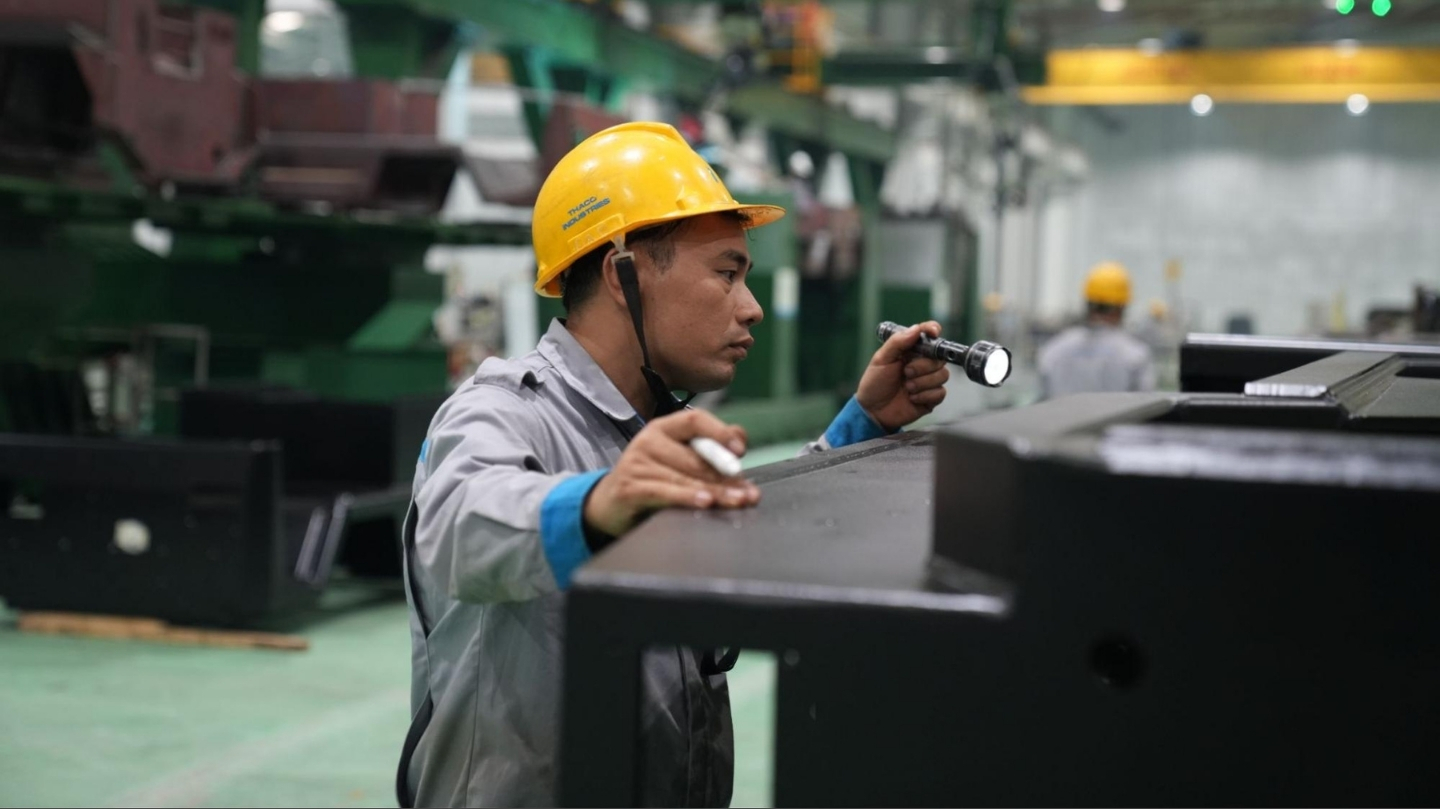
Quality control systems ensure reliability, safety, consistency and long-term operational performance across every unit produced. A manufacturer without documented quality processes cannot guarantee product performance.
Relevant standards and certifications to verify include:
- ISO 9001:2015 (Quality Management System)
- ISO 14001:2015 (Environmental Management System)
- ISO 45001:2018 (Occupational Health and Safety)
- ISO 12944 (Surface preparation specifications)
- ISO 3834-2 (Welding Quality Certification)
Location and Cost Advantages
Manufacturing location directly impacts total landed cost and delivery reliability. Competitive labor and production costs, especially in developing manufacturing regions like Southeast Asia, provide significant advantages. Access to a skilled workforce, including engineers, technicians and industrial specialists, ensures consistent production quality.
Well-developed manufacturing ecosystems, including suppliers, logistics networks and supporting industries, reduce procurement lead times and coordination complexity. Proximity to ports and international trade agreements enables efficient export and global distribution, reducing shipping costs and transit times for international buyers.
A strong partner should not only meet technical and quality requirements but also demonstrate proven experience in delivering customized solutions and large-scale production.
Partner with THACO INDUSTRIES for High-Quality Processing Equipment
As a trusted partner, THACO INDUSTRIES offers a comprehensive ecosystem of capabilities, processes and solutions to support the production of high-quality processing equipment.
Core Manufacturing Capabilities
THACO INDUSTRIES operates an Integrated end-to-end manufacturing that connects business development and R&D, manufacturing, installation, and warranty support within a unified operating structure. This centralized approach strengthens control over production quality, operational efficiency, and process consistency while minimizing coordination gaps between stages.
The corporation’s manufacturing capability is supported by modern production technologies across multiple fabrication processes. Advanced equipment includes fiber laser cutting systems ranging from 3–15 kW, tube laser cutting machines from 2–3 kW, CNC turning and 3–5 axis milling systems, as well as robotic MIG/MAG and TIG welding technologies. Comprehensive surface treatment capabilities including powder coating, ED coating, and salt-spray testing further support product durability and manufacturing quality requirements.
Beyond fabrication capability, THACO INDUSTRIES also maintains strong assembly and integration competence. The corporation provides sub-assembly and final assembly services that help organize components and integrate modules accurately throughout the production process. This capability improves dimensional accuracy, lowers error rates, reduces lead times, and contributes to more reliable equipment performance after deployment.
The production system is designed to support a wide range of project requirements, from precision components to fully integrated processing equipment systems. Backed by a centralized industrial campus of approximately 320 hectares with specialized plants and synchronized operations, THACO INDUSTRIES is able to maintain stable supply capacity, scale production efficiently, and support timely execution across both small and large manufacturing programs.
Customization and OEM Support Capabilities
THACO INDUSTRIES provides design-to-spec, co-development and build-to-print manufacturing. It’s supported by in-house engineering, simulation software and technical validation to meet customer-specific requirements across non-standard and complex equipment programs. The corporation is equipped with advanced machinery and a highly skilled engineering workforce to support the full scope of OEM customization demands.
Intellectual property protection is treated as a standard program requirement. THACO INDUSTRIES is fully prepared to execute Non-Disclosure Agreements for all OEM projects before technical information is exchanged.
Quality Assurance and International Standards
Certifications and international standards play a critical role in validating manufacturing capabilities. THACO INDUSTRIES maintains the following credentials:
- ISO 9001:2015: Overall Quality Management
- ISO 3834-2: Welding quality requirements for metallic materials with certified technical capability in WPS procedures, qualified welders and compliant NDT inspections
- EN 1090-1: Execution of steel and aluminum structures for European markets
- ISO 45001:2018: Occupational Safety and Health Management System
- AWS D1.6:2017, AWS D1.1:2020, EN ISO 9606-1: Fabrication and welding standards
Flexible Logistics Advantages
THACO INDUSTRIES is headquartered in Vietnam – a strategic manufacturing hub in Southeast Asia with strong connectivity to regional and global trade routes through deep-water seaports, international airports and an expanding expressway network. This infrastructure supports efficient export logistics for processing equipment programs serving buyers across North America, Europe, Australia and the ASEAN region.
The corporation provides flexible logistics configurations matched to each program’s scale and shipping requirements. Support for FOB, CIF and FCA Incoterms gives buyers the flexibility to manage shipping arrangements on their own terms or rely on THACO INDUSTRIES for coordinated export logistics. Flexible packaging and shipping configurations can also help improve delivery lead time and overall logistics efficiency.
Ready to upgrade your processing equipment sourcing? Contact THACO INDUSTRIES today at partsales@thaco.com.vn or (+84) 389 067 557 (Ms. Linh).


