
Commercial & household products
Custom Power Rack Manufacturers: Design, Application, And Quality Standards
Power racks are foundational strength-training systems designed to support safe, controlled lifting across a wide range of exercises. In the modern fitness industry, they play a critical role in improving performance for compound workouts such as squats, bench presses, and overhead presses, allowing users to train with heavier loads and better form.
Before placing an order, it’s recommended that buyers should understand core factors of standard power racks, including engineering statistics, practical applications, and common qualifications. To further explain these factors, this article will provide comprehensive custom power rack manufacturing information, including definition, structural standards and common quality standards to take into consideration.
What Is A Power Rack?
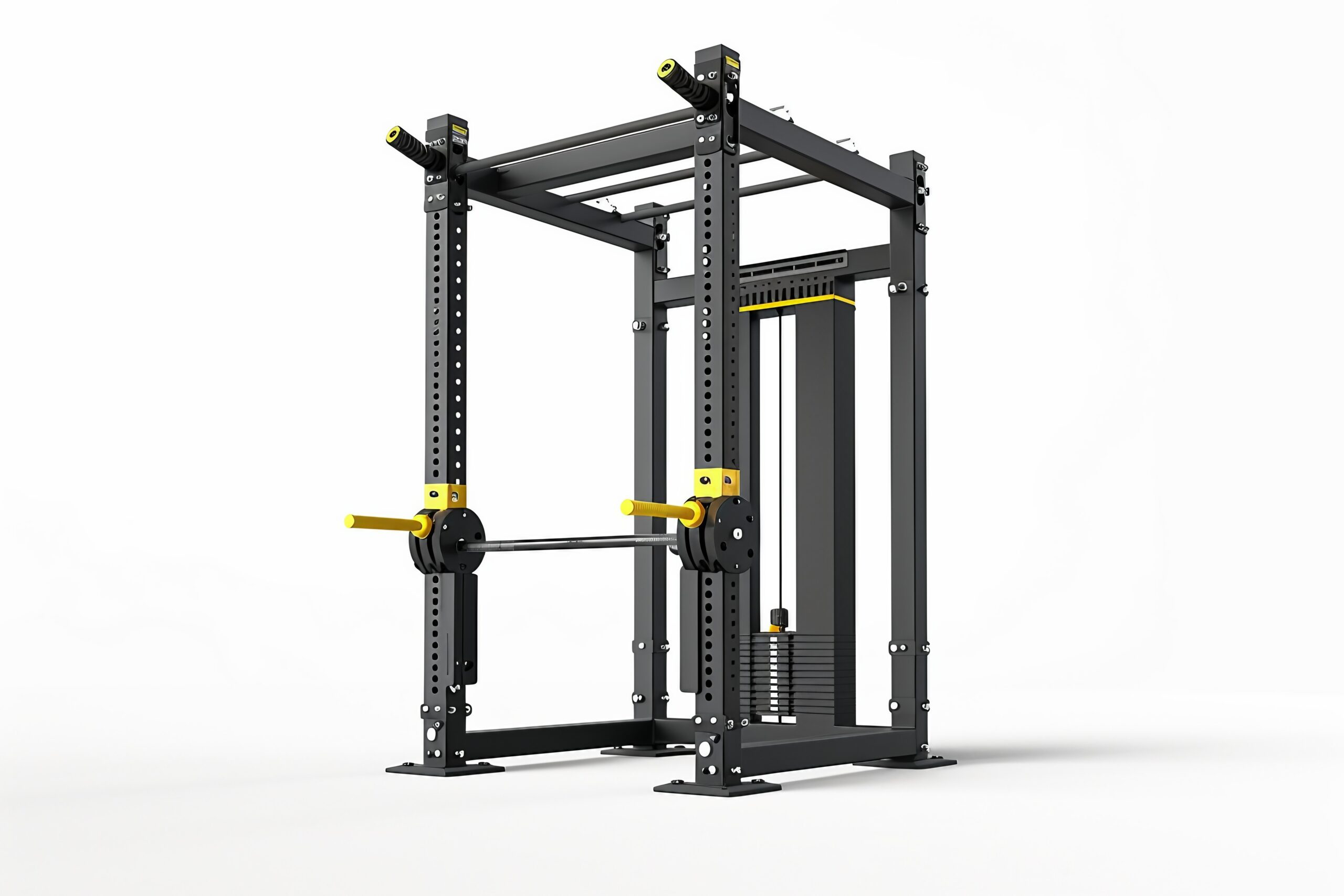
A power rack is a four-post, cage-like steel training station engineered to support safe and efficient free-weight barbell exercises without requiring a spotter. Widely used in both commercial gyms and homegym adaptation setups, power racks provide a controlled environment for executing compound movements such as squats, bench presses, and overhead presses within a structured compound workout plan.
A defining feature of power racks is their built-in safety system. Adjustable safety bars on either side of the cage are designed to catch the barbell in the event of a failed lift, significantly reducing injury risk while enabling users to train with higher integrated workout intensity.
Core structural components typically include:
- Upright posts for load-bearing stability
- Crossmembers for structural reinforcement
- Safety bars or straps to protect users during failed lifts
- Pull-up bars for added training functionality
Modern designs also reflect the growing demand for a complex rack for small spaces, allowing users to maximize training efficiency without compromising safety or performance.
Power Rack Applications
As strength training continues to evolve, power racks have become widely adopted across both commercial gyms and space-efficient ones. Their versatility and safety features make them an essential solution for diverse training needs, from public facilities to private setups.
Commercial Gym Applications:
In commercial fitness environments, power racks are designed to withstand high-frequency use while supporting diverse training programs. Their robust construction and modular design make them a core asset in optimizing both performance and space utilization, with increasing demand for customization for commercial gyms.
- Strength training zones: Enable multiple workout variations and high-resistance training thanks to durable, heavy-duty construction.
- Group training and functional areas: Custom power rack manufacturers can integrate additional features such as chin-up and pull-up bars to support varied training routines.
Home Gym Applications
With the rapid rise of home fitness, power racks are increasingly designed to balance functionality and space efficiency. Customization allows users to achieve professional-grade training within limited residential spaces, supporting a more efficient setup.
For smaller environments, space-efficient custom power racks with integrated multi-functional features offer an ideal solution. Configurations can range from adjustable hole spacing, compact frame depth, foldable or wall-mounted designs, to add-ons like pulley systems, dip bars, or plate storage. These options enable standard and advanced workouts without compromising performance, safety, or available space.
Institutional Use
Power racks are widely adopted in institutional environments where safety, consistency, and progressive training are critical. Schools, universities, military facilities, and rehabilitation centers typically utilize basic rack designs with chin-up and pull-up functions to support gradual strength development, particularly in physical rehabilitation and physiotherapy programs.
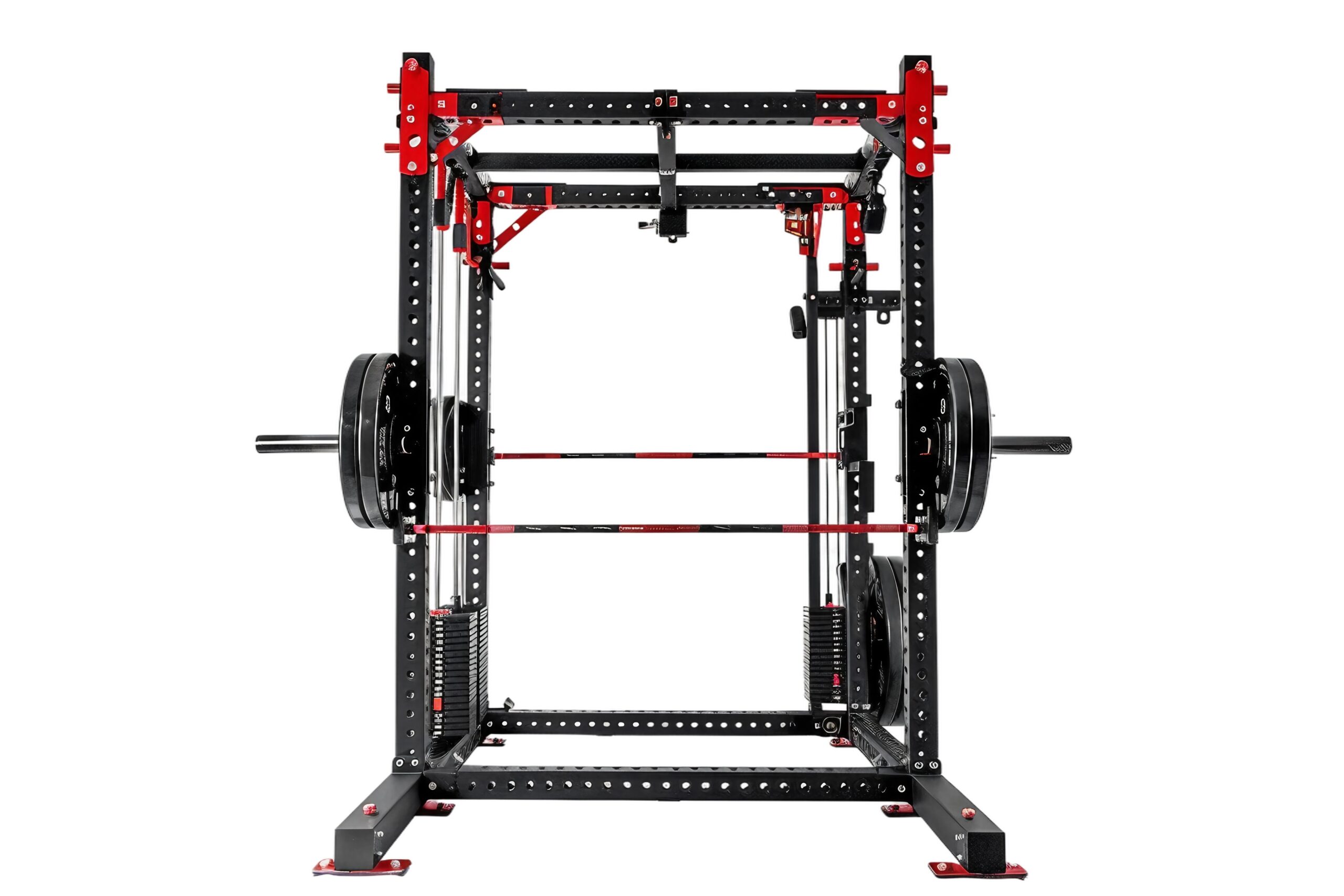
Beyond standard configurations, custom power rack manufacturers can integrate additional features to meet specific functional needs, such as ropes or specialized grip handles for targeted exercises. Attachment-based applications further expand training versatility, including:
- Lat pulldown systems for upper body strength
- Landmine training setups for rotational and core exercises (like the provided image)
- Upper body workouts such as bench press, pull-ups, and resistance band training
These flexible configurations allow institutions to deliver structured, multi-functional training within a single, durable system.
Reasons Why Power Racks Are Essential in Training Applications
While power racks are widely applied across commercial, home, and institutional settings, their true value lies in how they enhance training safety, gym equipment efficiency, and adaptability. As fitness demands become more specialized, versatile power racks and custom solutions are no longer optional but essential for supporting all-rounded training programs and maximizing long-term performance outcomes.
Safety
One of the most important advantages of power racks is their safety component. Adjustable safety bars are positioned on either side of the rack to catch the barbell when a lift cannot be completed, reducing the risk of injury. This feature allows users to safely perform heavy compound workout routines without a spotter, ensuring confidence and protection during high-intensity training.
Versatility
Power racks offer exceptional versatility by supporting a wide range of exercises, including squats, bench presses, overhead presses, and pull-ups within a single system.
Unlike traditional squat racks that are typically limited to basic movements, power racks can be customized to accommodate diverse force-resistant workouts, enabling users to perform comprehensive training programs with greater flexibility and efficiency.
Long-term Durability
Power racks are engineered for repeated heavy use in professional environments, with impact-resistant structures that maintain long-term integrity under continuous stress.
This durability supports intensive training while also making them a cost-efficient solution, particularly for private gym applications, where a single system can replace multiple pieces of equipment without sacrificing performance.
Custom Manufacturing Advantage
Custom manufacturing enables power racks to be precisely tailored to user height, available space, and specific training styles, ensuring optimal performance and ergonomics. For businesses evaluating production strategies, understanding the differences between an OEM & contract manufacturer can help determine the most suitable approach for scalability, cost efficiency, and product control. Customers can also adjust technical specifications to align with their training programs, such as reinforcing the frame for greater stability during heavy lifting.
In addition, manufacturers can modify hole spacing along the uprights to match user height and lifting positions, improving both safety and training efficiency.
Manufacturing Process for Custom Power Racks
A well-structured manufacturing process is key to delivering custom power racks that meet specific training needs and safety standards. From design and material selection to fabrication and finishing, each stage is carefully controlled to ensure durability, precision, and long-term performance.
Design & Engineering
The design and engineering phase begins with a detailed analysis of client requirements, including user height, available space, and specific training needs, to determine the most suitable rack dimensions and configuration.
Engineers then perform load calculations and structural modeling to ensure compliance with international standards such as EN ISO 20957 for stationary strength equipment. This process is supported by advanced CAD drawings and other simulation softwares, allowing precise visualization and validation before mass production.
Material Selection
Material selection plays a critical role in ensuring the strength, durability, and long-term performance of custom power racks. Common materials include carbon steel, steel panels, round bars, and screws, each chosen based on specific functional requirements and load conditions. Similar principles are applied by material handling equipment manufacturers, who must carefully select materials to ensure structural integrity, safety, and reliability across demanding industrial applications.
To guarantee structural integrity, tubing size and wall thickness must comply with recognized material standards such as ASTM A500 and ASTM A513 for steel tubes, ASTM A36 and ASTM A1011 for panels, as well as EN 10219 and EN 10210 for European structural steel specifications.
Cutting & Forming
The cutting and forming stage ensures high precision and consistency across all structural components. Laser cutting technology is used to create accurate holes with uniform spacing, meeting strict technical standards for adjustability and alignment.
This is followed by CNC bending and drilling processes, which shape and refine components with high repeatability, ensuring each part fits seamlessly during assembly.
Welding & Fabrication
Welding and fabrication are critical to ensuring the structural integrity of power racks under heavy loads. Depending on design requirements, manufacturers apply MIG/MAG (GMAW) or TIG (GTAW) welding processes to achieve strong, precise joints. Key stress points are reinforced during fabrication, followed by load testing to verify strength, stability, and compliance with performance standards.
Surface Treatment
Surface treatment is essential to enhance durability and protect power racks from corrosion in demanding training environments. The process begins with thorough surface cleaning and preparation before applying powder coating, ensuring strong adhesion and long-lasting finish quality.
In addition, anti-corrosion protection can be further enhanced through electrophoretic coating, providing uniform coverage and improved resistance to wear, moisture, and environmental factors.
Assembly & Inspection
The final stage involves precise assembly and rigorous inspection to ensure optimal performance and compliance. Components undergo fit testing, with basic equipment adjustments made to validate functionality and alignment. Load testing is conducted in accordance with EN ISO 20957 to verify structural strength and safety.
Also, dimensional verification is performed to ensure all specifications and technical criteria are fully met before delivery.
Packaging & Logistics
Packaging and logistics are optimized to ensure safe, cost-effective global delivery. Knock-down designs are commonly applied to reduce shipping volume, while allowing integration of custom logos, accessories, and “Made in Vietnam” labeling based on client requirements.
For export, products are secured with protective packaging solutions such as wooden crates, PE wrapping, and industrial plastics, ensuring damage prevention and compliance with international shipping standards.
Standard Qualifications And Certifications For Power Racks
Given the constant interaction between users and equipment, power racks must meet strict safety and quality standards to ensure reliable performance over time. Compliance with recognized certifications is essential not only for commercial use but also for long-term durability and user protection.
Structural And Safety Requirements
Structural and safety requirements define the core performance of power racks under real training conditions. Using 11-gauge steel for optimal use, the structure must withstand long-term usage and constant impact from lifting while load rating specifications ensure the rack can safely withstand heavy lifting forces. Additionally, stability and anti-tipping requirements are also critical to maintaining balance and preventing accidents during high-intensity use.
Beside structural integrity, complementary accessories such as J-hooks, safety bars, safe platform, dip attachments should also adhere with safety requirements under practical training conditions.
Common International Standards
To ensure consistent quality and global market acceptance, power racks must comply with internationally recognized standards that govern manufacturing processes, safety, and performance.
- ISO 9001:2015 (Quality Management Systems): Ensures consistent control of production processes and product quality
- EN ISO 20957 (European standards for fitness equipment): Defines safety, performance, and testing requirements for gym equipment
- EN 1090-2: Standard for steel welding structure, ensuring structural integrity over impactful and long-term usage.
Material And Finish Compliance
Material and surface finish compliance are essential to ensure both structural reliability and user safety in long-term operation. Manufacturers must verify that all materials and coatings meet strict technical and environmental standards.
- Steel certification: Confirms that structural steel meets required mechanical properties, traceability, and international material standards
- Non-toxic powder coating standards: Ensure surface finishes are safe for human contact, environmentally compliant, and resistant to wear and corrosion
Factory-level Qualifications
Factory-level qualifications ensure that manufacturing processes are consistently controlled and meet international production standards. These requirements validate both technical capability and quality assurance systems across the entire production cycle.
- Welding certifications: Verify that welding procedures, operators, and inspections comply with standards such as ISO 3834, ensuring structural integrity and joint reliability
- Quality inspection protocols: Establish systematic checks at each stage of production, including material inspection, in-process control, and final testing to guarantee product consistency and compliance
Importance Of Third-party Testing And Documentation
Third-party testing and documentation play a critical role in validating product safety, performance, and compliance with international standards. Independent verification ensures that power racks meet required load, stability, and durability criteria under real operating conditions, providing objective assurance beyond internal testing.
Comprehensive documentation, including test reports, material certificates, and inspection records, also enhances transparency and traceability. This not only supports regulatory approval and export requirements but also builds trust with buyers by demonstrating proven quality and accountability.
Let THACO INDUSTRIES Be Your Next Gym Equipment Partner
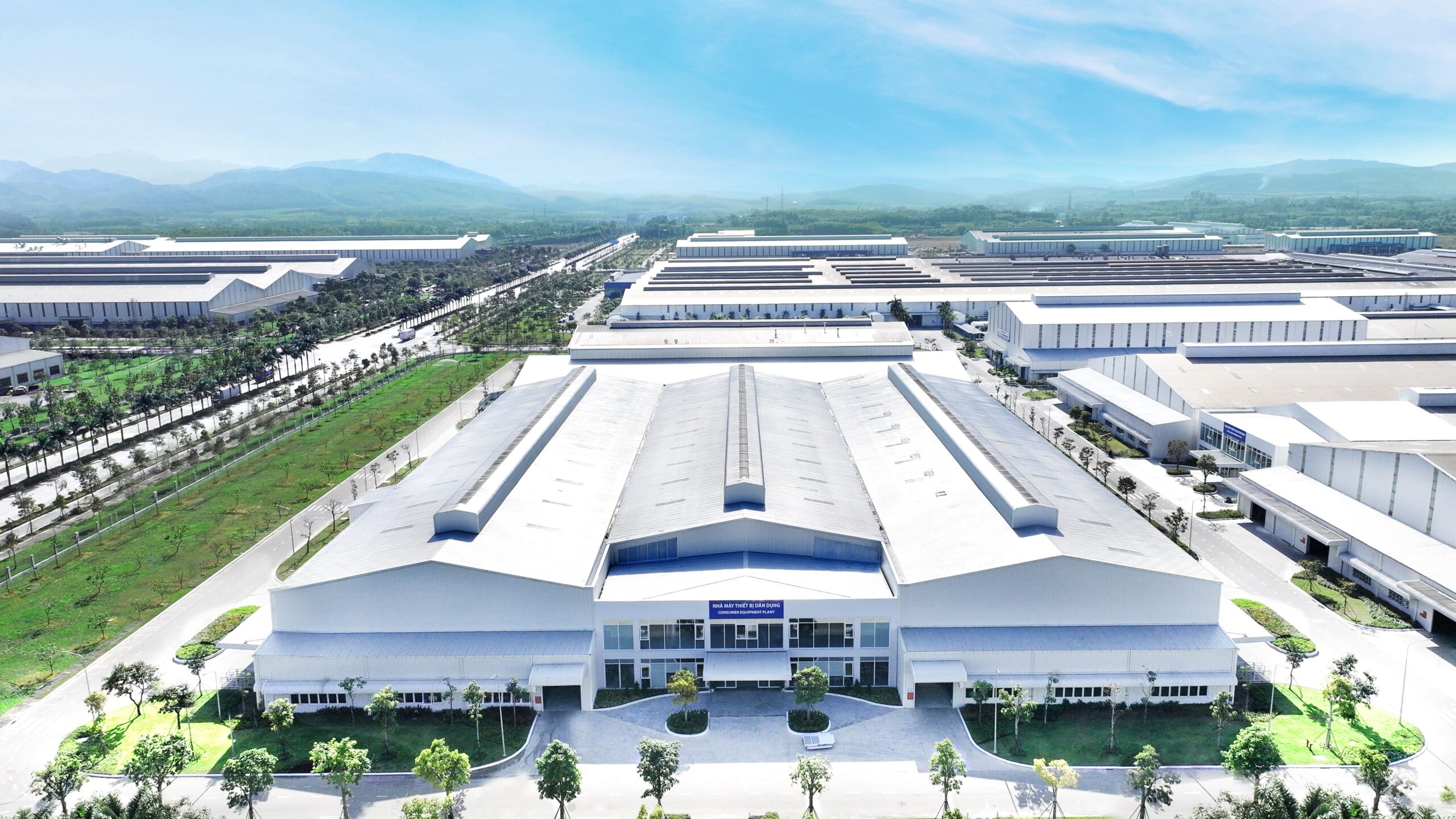
As global demand for high-quality, customized fitness equipment continues to rise, choosing the right manufacturing partner becomes a strategic decision. With decades of experience in manufacturing, particularly in large-scale mechanical processing, THACO INDUSTRIES provides comprehensive solutions for different business models, ranging from fitness equipment brands, distributors, commercial gym owners, to specialized training centers. Partnering with THACO INDUSTRIES can ensure your power rack manufacturing meets rigorous standards for performance, safety, and scalability
R&D And Engineering Capabilities
At THACO INDUSTRIES, our R&D team begins by analyzing your specifications, technical drawings, and intended usage conditions to ensure every power rack design meets strict performance and safety requirements. Besides CAD drawing, THACO INDUSTRIES also applied modern and up-to-date simulating software such as NX, Hyperwork, Sap2000, Tekla, Eplan,… to investigate and develop specifications that meet distinct requirements across orders. Designs feature precisely spaced adjustment holes and modular configurations, ensuring compatibility with a wide range of attachments such as safety arms, pull-up bars, J-hooks, and plate storage systems.
Fulfilling large orders and customizations are THACO INDUSTRIES’s strengths, gaining satisfaction from different customers, including rack height, width, hole spacing, frame dimensions, attachment options, and surface finishes. This flexibility enables fitness brands and facilities to develop differentiated products while working with a reliable training equipment supplier in Vietnam.
With experience in mechanical processing, THACO INDUSTRIES also invests in welding technology, meeting strict industry standards. The welding chain varies across manufacturing sectors, notably with 100 robots in the welding line that incorporates MIG/MAG welding technology, ranging from 9-12 robots each station. This ensures THACO INDUSTRIES’s capability to fulfill large orders in power rack manufacturing, while maintaining strong performance in quality control.
Integrated Manufacturing Ecosystem
The corporation operates a fully integrated manufacturing ecosystem, ensuring seamless coordination across the entire value chain, from Business, Product Research & Development (R&D), Manufacturing to Installation, Warranty & Repair. This closed-loop system allows us to maintain consistent quality while optimizing cost and production efficiency, key advantages for clients seeking reliable gym equipment manufacturers in Vietnam.
Material selection strictly follows international standards, with high-strength 3×3-inch 11-gauge steel commonly used for commercial racks. Reinforced components are engineered to withstand repeated loads, impact, and long-term fatigue, ensuring durability in demanding training environments.
Rigorous Quality Control Using Global Gym Standards
Quality assurance at THACO INDUSTRIES is built on strict compliance with international standards, including quality management systems like ISO 9001:2015, ISO 14001:2015, ISO 3834-2 for welding quality requirements. Through persistent efforts, THACO INDUSTRIES has also achieved EXC4 certification, the highest certification for welded structures under the EN 1090-2 standard.
Through a combination of certified processes, modern equipment, and data-driven quality control, we deliver power rack systems that meet global safety, durability, and performance benchmarks, supporting your long-term success in competitive fitness markets.
For further inquiries or to start your project discussion, please contact THACO INDUSTRIES at partsales@thaco.com.vn or reach out directly via phone at (+84) 389 067 557 (Ms. Linh).


