
Product information
A Reliable Semi-Trailer Manufacturer: THACO INDUSTRIES
The global logistics and transportation industry continues to expand, placing greater pressure on vehicle durability, payload efficiency, and compliance with international safety standards. Choosing the right semi-trailer manufacturer has become a strategic decision for fleet operators and OEM partners looking to optimize operating costs and long-term reliability. In this article, THACO INDUSTRIES provides key insights into semi-trailer manufacturing, industry requirements, and how modern production capabilities support demanding transport applications.
The Role of Semi Trailers in Modern Transportation & Logistics
Semi-trailers are a critical link in today’s global supply chain, supporting the movement of goods across regional and international networks. From containerized shipping at ports to cross-border freight corridors, and from construction material transport to bulk commodities and heavy equipment, different trailer configurations are required to match specific operational needs. Understanding design differences such as skeleton vs gooseneck semi-trailers is essential for selecting the right platform for container transport, heavy equipment hauling, or specialized cargo applications.
As logistics networks grow more complex, semi-trailers play a critical role in enabling high-capacity freight transport, improving loading efficiency, supporting multimodal operations, and ensuring stable, compliant movement of goods across long-distance and cross-border supply chains. Modern operations require trailers that can handle higher payloads while improving fuel efficiency, helping fleet operators reduce operating costs and meet environmental performance targets. At the same time, governments and regulatory bodies are introducing stricter standards for road safety, braking performance, corrosion protection, and structural durability to reduce accident risks and extend vehicle service life.
From a buyer’s perspective, the main challenges go far beyond the purchase price. Fleet operators and OEM partners increasingly focus on:
- Total Cost of Ownership (TCO): Fuel usage, maintenance expenses, and long-term durability.
- Downtime Risks: Lost revenue caused by unexpected repairs or structural failures.
- Structural Fatigue: Stress cracks and frame deformation after prolonged heavy-load operation.
- Coating Degradation: Rust, peeling, and surface damage in harsh climates.
- Supplier Reliability: Difficulty sourcing consistent, high-quality products from manufacturers who can meet both technical and volume requirements.
Before evaluating manufacturers, it is important to distinguish between vehicle types used in freight operations, particularly the differences outlined in trailer vs semi-trailer, which directly influence design and performance requirements.
Key Criteria for Selecting a Semi Trailer Manufacturer
Choosing the right semi-trailer manufacturer requires more than comparing prices. Buyers must evaluate engineering depth, production consistency, and the ability to meet regulatory and operational requirements across different markets.
Engineering & Structural Strength
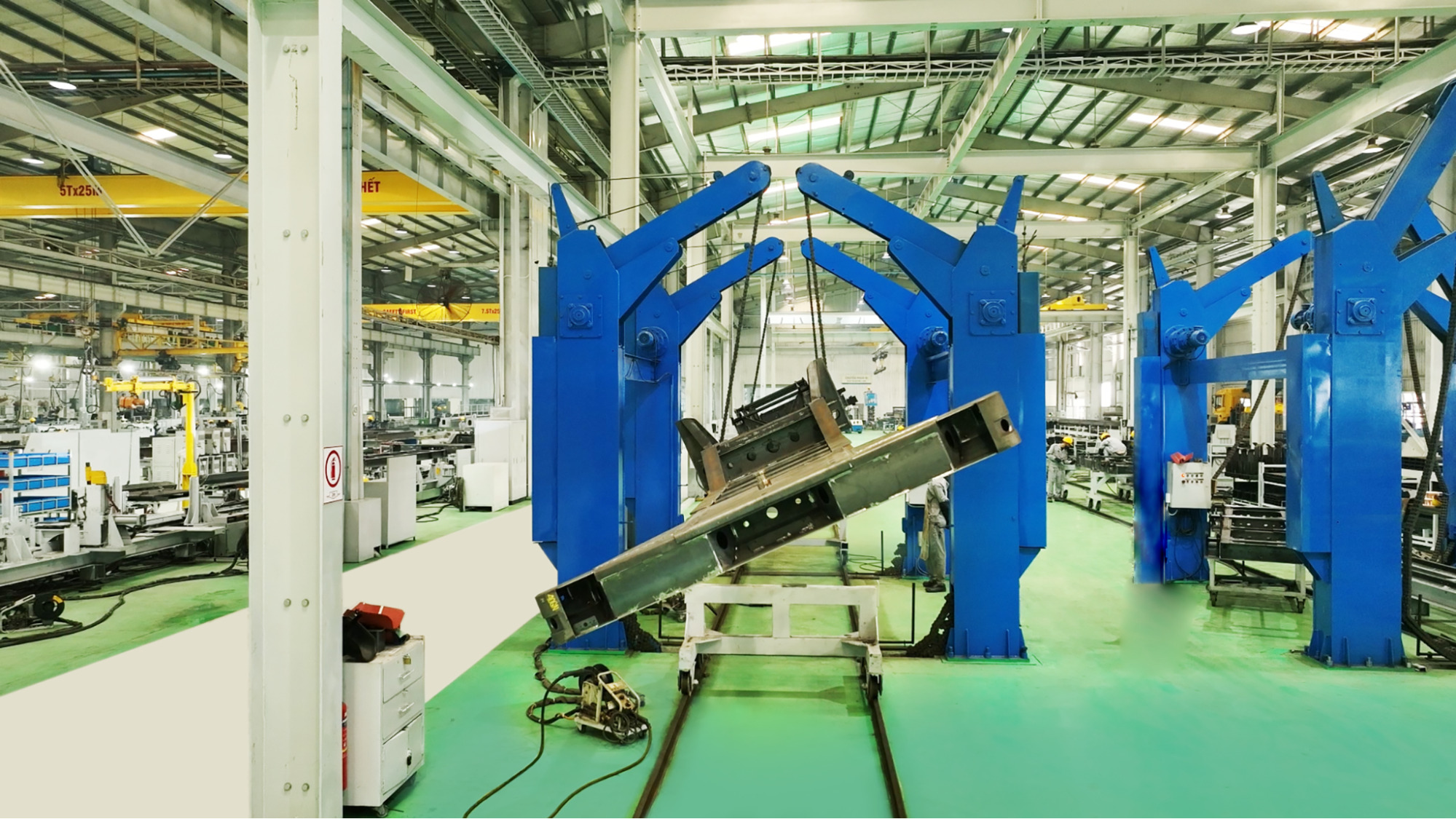
A reliable manufacturer should use high-tensile structural steel, optimized main-beam geometry, and anti-torsion frame designs to ensure long-term durability under heavy loads. Fatigue-resistant welding techniques are essential to prevent crack formation in high-stress zones.
Critical load-bearing components such as suspension systems and semi-trailer leaf springs play a vital role in distributing weight evenly, absorbing road shock, and maintaining structural stability under continuous heavy-load operation.
Key structural tests typically include load capacity verification, bending resistance measurements, and stress distribution analysis to confirm safety margins under real-world operating conditions.
Quality Management & Compliance Standards
Global buyers should prioritize manufacturers that operate under recognized quality frameworks such as ISO 9001:2015 and ISO 14001:2015, along with product-level compliance, including EN 1090 and CE Marking for European markets.
Mandatory inspections should cover:
- Weld integrity, penetration quality, and defect detection
- Dimensional accuracy of chassis and structural parts
- Corrosion resistance of coatings and surfaces
- Brake-system performance and electrical system reliability
These inspections reduce failure risk and support long-term operational stability.
Technical Documentation & Design Support
Professional manufacturers provide complete technical packages, including 2D/3D CAD drawings, structural calculations, maintenance manuals, and detailed Bills of Materials (BOM). Strong partners also offer on-demand product development, allowing trailers to be customized based on climate, terrain, load type, and country-specific regulations.
Homologation support is a significant advantage, helping buyers meet the requirements of local road and transport authority.
Production Capacity & Lead-Time Reliability
High-volume capability is a key indicator of manufacturing strength. Leading manufacturers, such as Thaco Trailers (under THACO INDUSTRIES), can reach annual production capacities of up to 30,000 semi-trailers, supported by stable supply chains and standardized manufacturing cycles.
This level of capacity allows:
- Predictable lead times
- Consistent quality across large orders
- Scalable production for fleet expansion projects
Evaluating these criteria helps buyers select a semi trailer manufacturer that can deliver structural reliability, regulatory compliance, and long-term operational value.
Importance of Technology & Integrated Manufacturing in Semi Trailer Production
Modern semi-trailer manufacturing capabilities are defined by the level of technology and process integration used throughout production. Advanced manufacturing systems have a direct impact on structural durability, payload-to-weight ratio, and long-term service life, especially under intensive logistics and heavy-load conditions.
Technology as a Performance Driver
Investing in synchronized machinery, equipment, and the application of modern technology helps create high-quality, highly accurate products while ensuring consistency throughout the entire production process, , from raw material to finished trailer. Key technologies typically include:
- CNC plasma and laser cutting for clean, accurate steel plates and beams, ensuring tight dimensional control.
- Robotic welding systems combined with automatic beam alignment to achieve uniform weld penetration and structural stability across critical joints.
- Hydraulic forming to shape high-strength components without compromising material integrity or introducing micro-cracks.
These technologies minimize human variation and create predictable, repeatable results across large production volumes.
Surface Preparation & Corrosion Protection
Surface treatment plays a critical role in extending trailer lifespan. Industry-leading processes include:
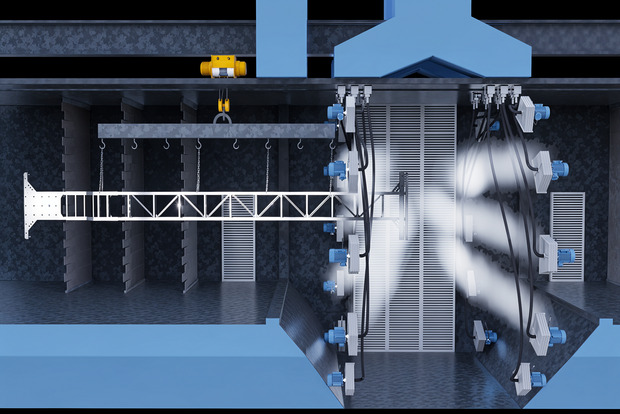
- Shot blasting to Sa 2.5 standard, removing mill scale and contaminants to create a clean, uniform anchor profile for optimal coating adhesion.
- ED coating is applied as a full-immersion process to ensure uniform coverage across all surfaces, including edges, weld seams, and internal cavities. This layer significantly enhances corrosion resistance and provides a stable base for subsequent powder coating or finishing processes.
- Electrostatic powder-coating systems and controlled wet-paint lines that deliver consistent film thickness, strong adhesion, and high resistance to corrosion, abrasion, and chemical exposure.
This layered protection system significantly reduces the risk of coating failure in coastal, humid, or harsh road environments.
Advantages of Vertically Integrated Manufacturing
A vertically integrated production ecosystem allows manufacturers to control the entire value chain, including:
- In-house steel fabrication and beam forming
- Chassis manufacturing and sub-frame assembly
- Axle and brake system installation
- Surface treatment and painting
- Final assembly, packaging, and export logistics
This vertical integration establishes clear ownership over each production stage. When combined with a closed-loop production process, it enables continuous feedback between engineering, manufacturing, and quality control functions. Data captured during fabrication, welding, surface treatment, and assembly is fed back into upstream processes, allowing design refinements, tolerance adjustments, and process corrections to be implemented in real time rather than after defects appear downstream.
By keeping critical processes in-house and connected through closed-loop monitoring, manufacturers reduce dependence on external suppliers, limit quality variation between batches, and prevent defects from propagating across the supply chain. This integrated approach supports consistent manufacturing standards, tighter dimensional control, and more predictable output quality for safety-critical semi-trailer applications.
In cases where specific components are sourced externally, manufacturers often collaborate with qualified partners such as a custom wheel rims manufacturer to ensure consistent quality standards and compatibility across the entire vehicle system.
THACO INDUSTRIES: Your Strategic Semi Trailer Manufacturer for Large-Scale Projects
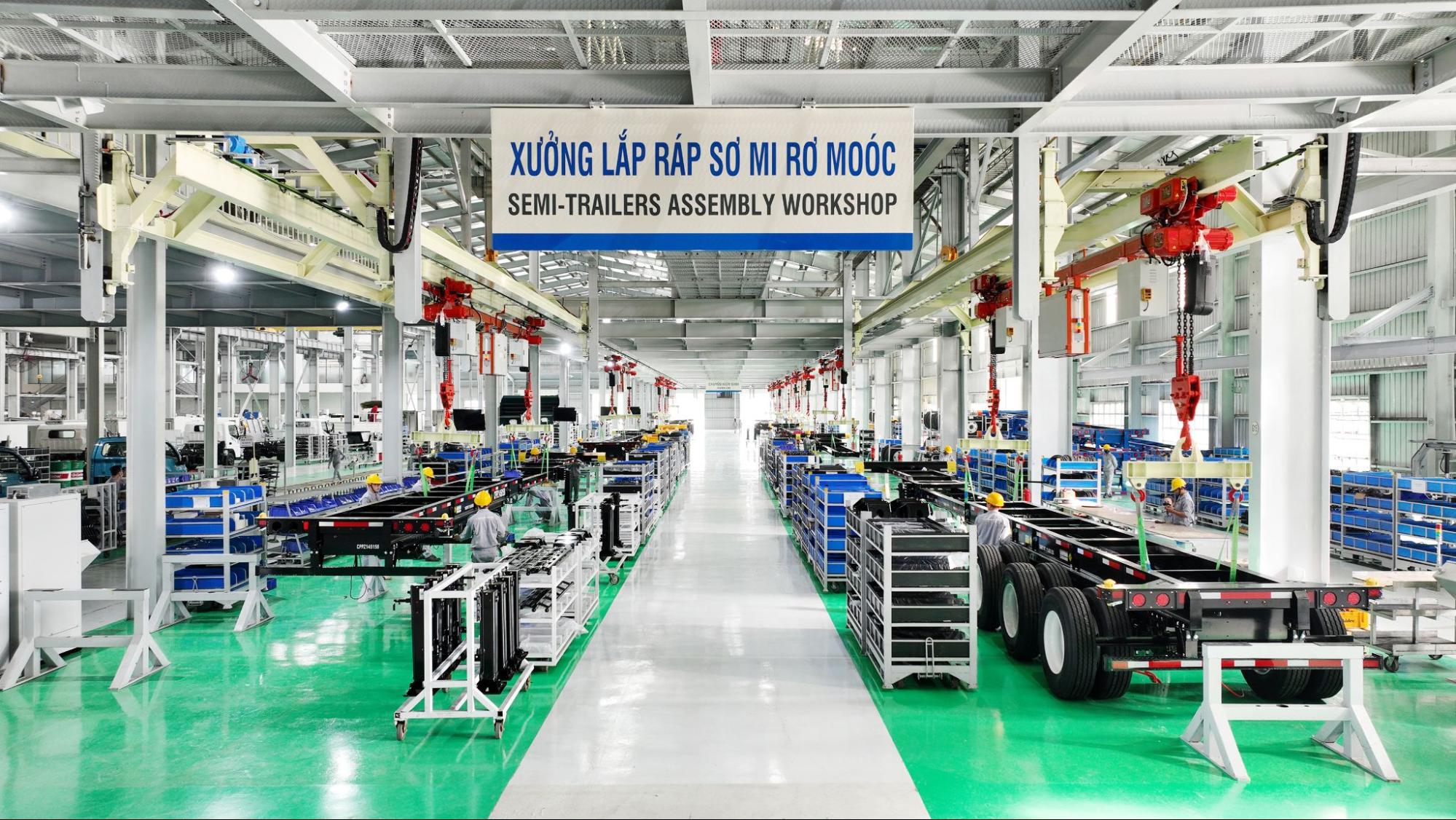
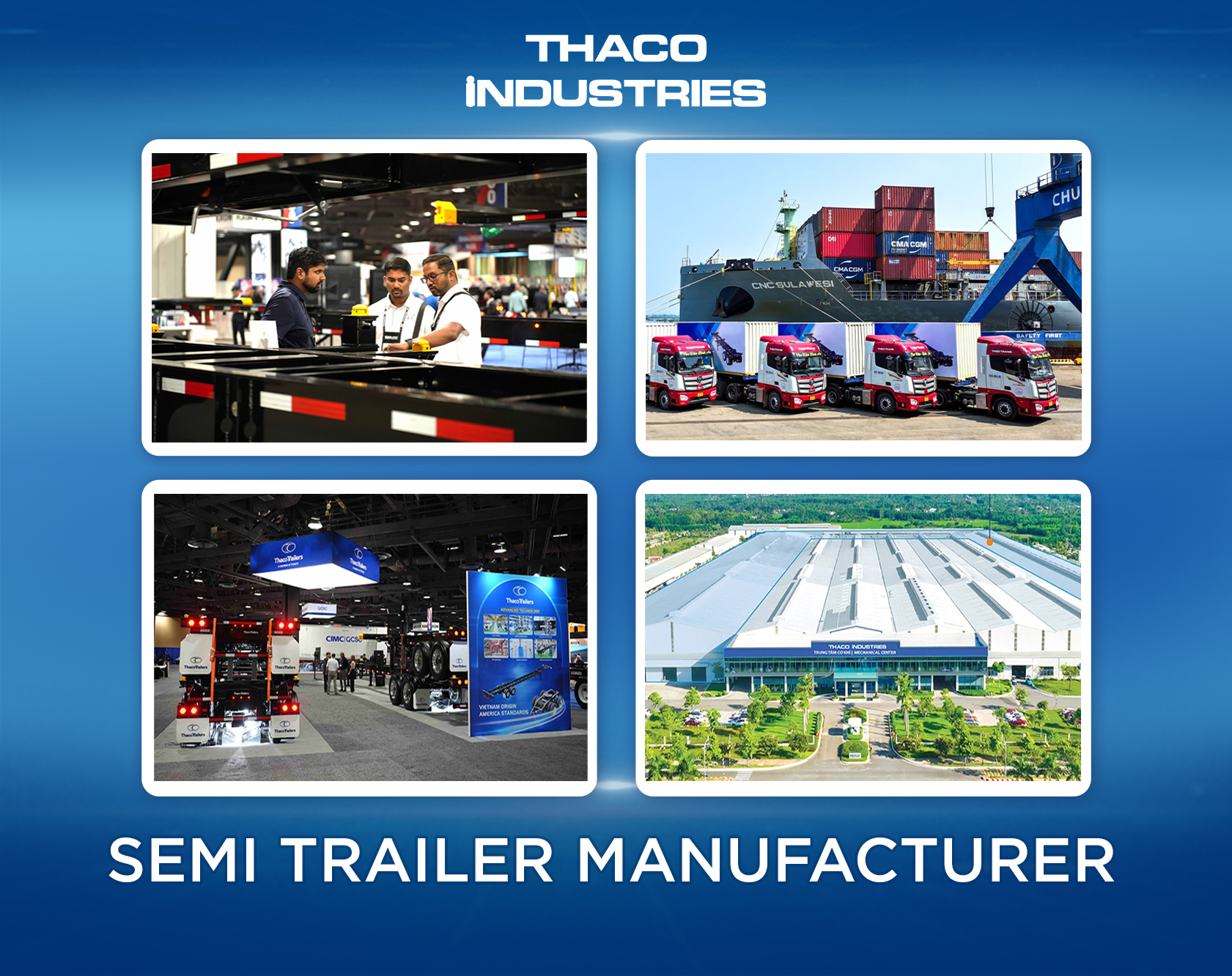
As a semi-trailer manufacturer with strong industrial foundations in Vietnam, THACO INDUSTRIES operates a dedicated semi-trailer and heavy-structure manufacturing facility established in 2015, spanning 8 hectares with a total investment of USD 90 million. The facility is equipped with advanced production lines and standardized manufacturing processes, supporting an annual capacity of up to 30,000 semi-trailers and related components. Supported by in-house engineering and disciplined production systems, THACO INDUSTRIES delivers semi-trailers designed to meet demanding load conditions, regulatory requirements, and export market expectations.
R&D and Product Development Capability
THACO INDUSTRIES operates an in-house R&D and engineering center dedicated to semi-trailer and heavy-structure development. The corporation independently designs, engineers, and validates trailer platforms based on load conditions, usage scenarios, and regulatory frameworks across different markets.
Customization is embedded within this R&D capability, allowing trailer structures, axle configurations, and chassis layouts to be optimized for country-specific road regulations, axle-load limits, and safety requirements. This engineering-driven approach enables faster design validation, improved structural balance, and predictable performance throughout the product lifecycle.
Competitive Cost Structure
Vietnam-based manufacturing offers a competitive cost structure while maintaining compliance with global quality and technical standards. High-precision fabrication, structurally optimized beams, and durable surface coatings help reduce Total Cost of Ownership (TCO) by minimizing repairs, repainting cycles, and unplanned downtime.
Reliable Production & Export Capability
With large-scale manufacturing capacity, THACO INDUSTRIES ensures stable output and predictable lead times for major fleet and infrastructure projects.
Export operations are fully supported with:
- International documentation under FOB, CIF, and FCA Incoterms
- Ocean-freight optimized packaging
- ISO-based quality management and traceability
This structure reduces customs delays and improves delivery reliability across long-distance supply chains.
Long-Term Partnership Model
The corporation is committed to building durable industrial partnerships through:
- Strict NDA compliance to protect technical data and product designs
- Ongoing R&D collaboration for product evolution and cost optimization
- Willingness to invest in new tooling and production fixtures
- Responsive after-sales and technical support
Choosing the right semi-trailer manufacturer directly impacts operational efficiency, lifecycle cost, and business scalability. With integrated engineering, advanced production systems, and export-focused workflows, THACO INDUSTRIES stands ready to support large-scale transportation projects worldwide.
THACO INDUSTRIES provides comprehensive semi-trailer systems through its integrated trailer component manufacturing capabilities, covering structural components, functional modules, and complete assemblies. Production includes the manufacture and assembly of parts, executed under ISO 14001 and ISO 9001 certificates, while also complying with the technical and regulatory standards of individual export markets.
These solutions are designed to meet the demanding requirements of industrial and logistics applications, offering high durability, load stability, and consistent production quality.
For technical discussions or project inquiries, contact: partsales@thaco.com.vn or +84 348 620 063.


